
Last updated October 31, 2026
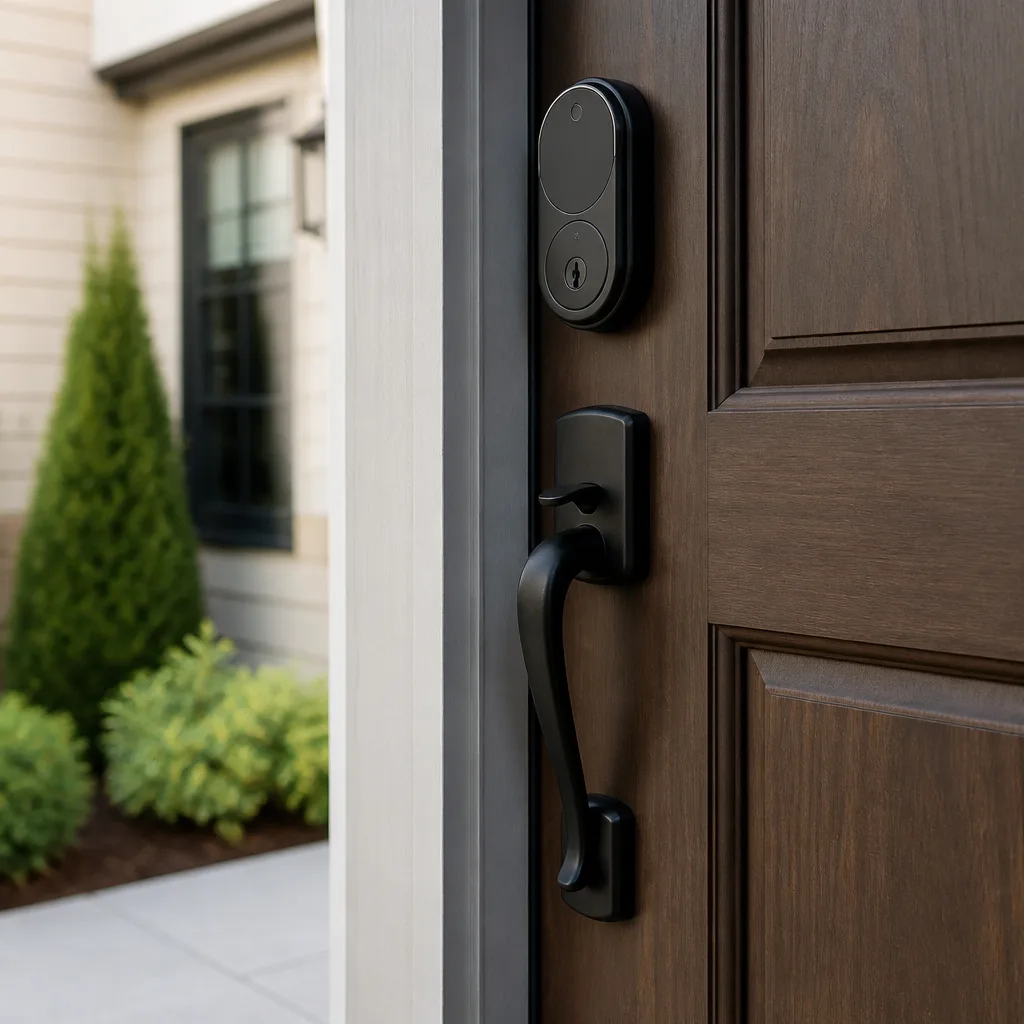 Smart locks
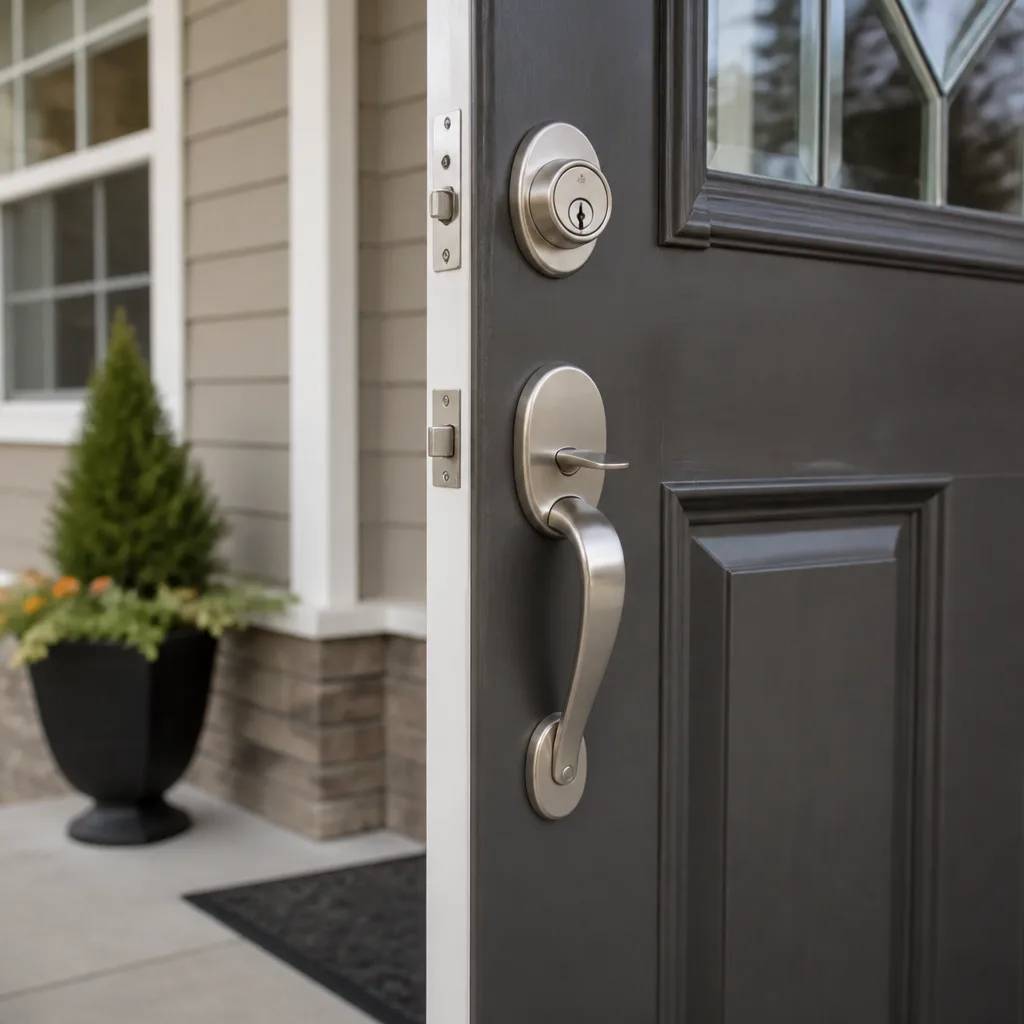 House lockouts
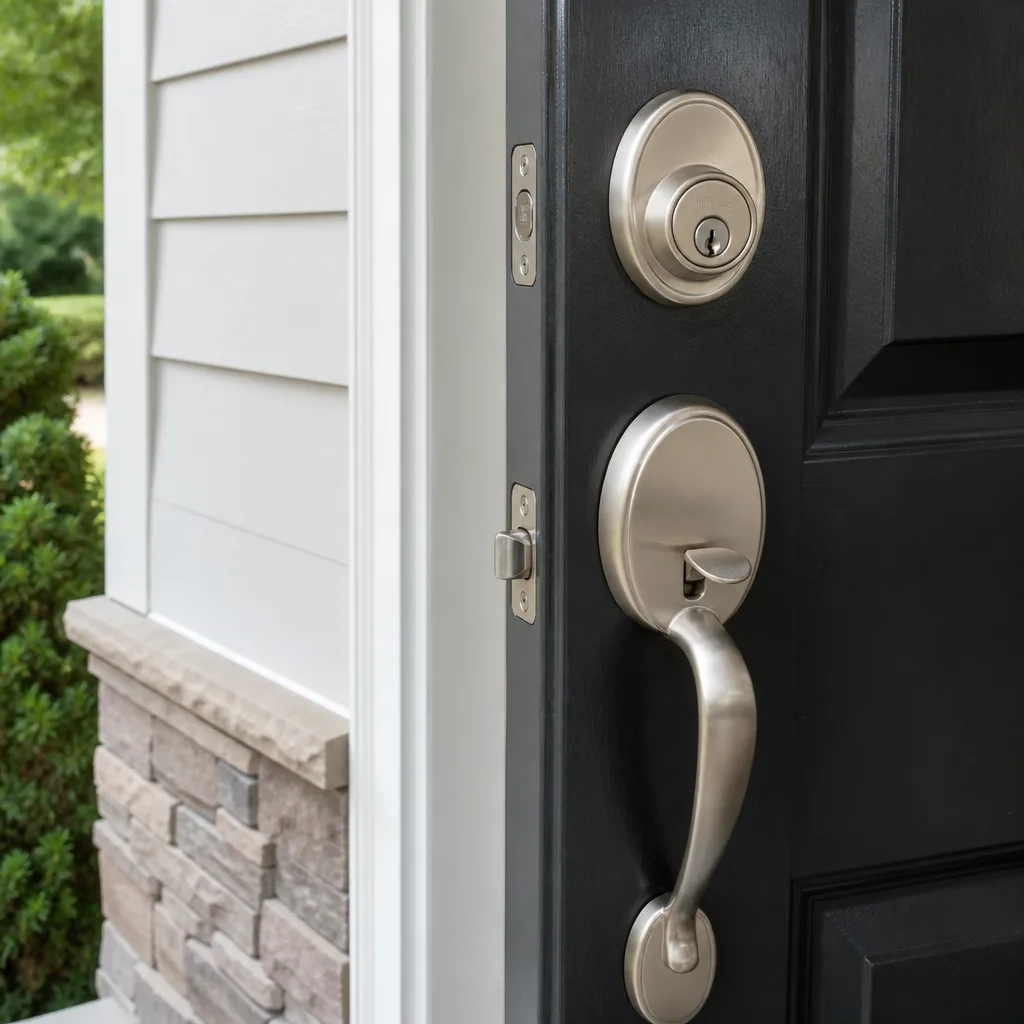 Re-keying
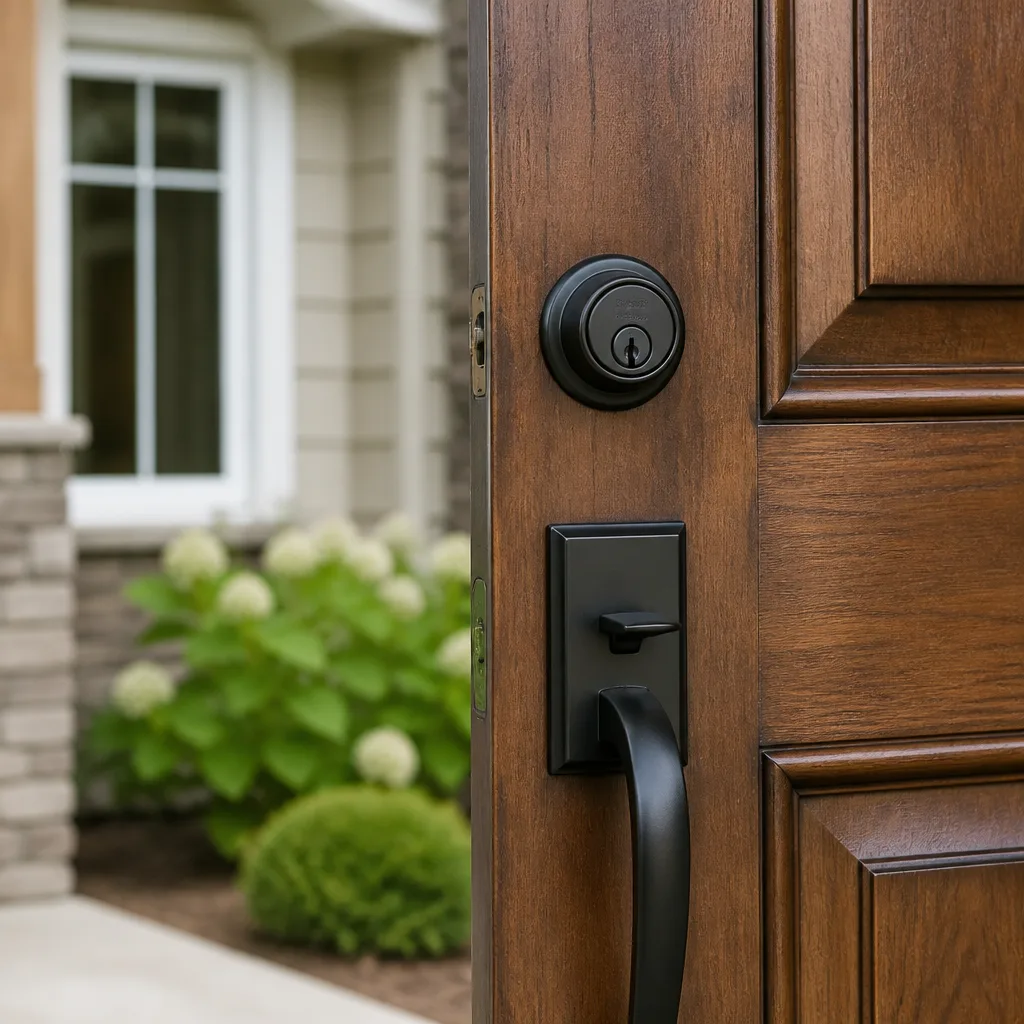 Deadbolt upgrades
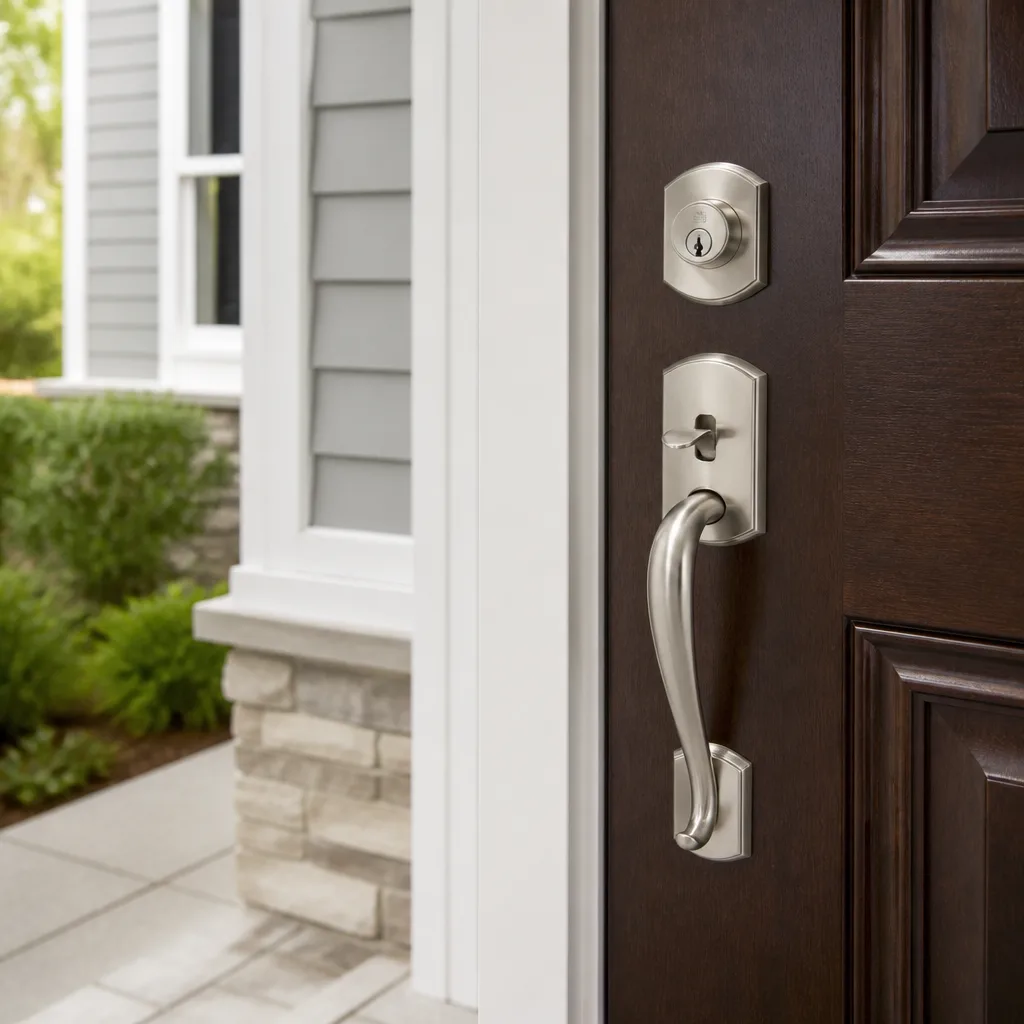 Schlage
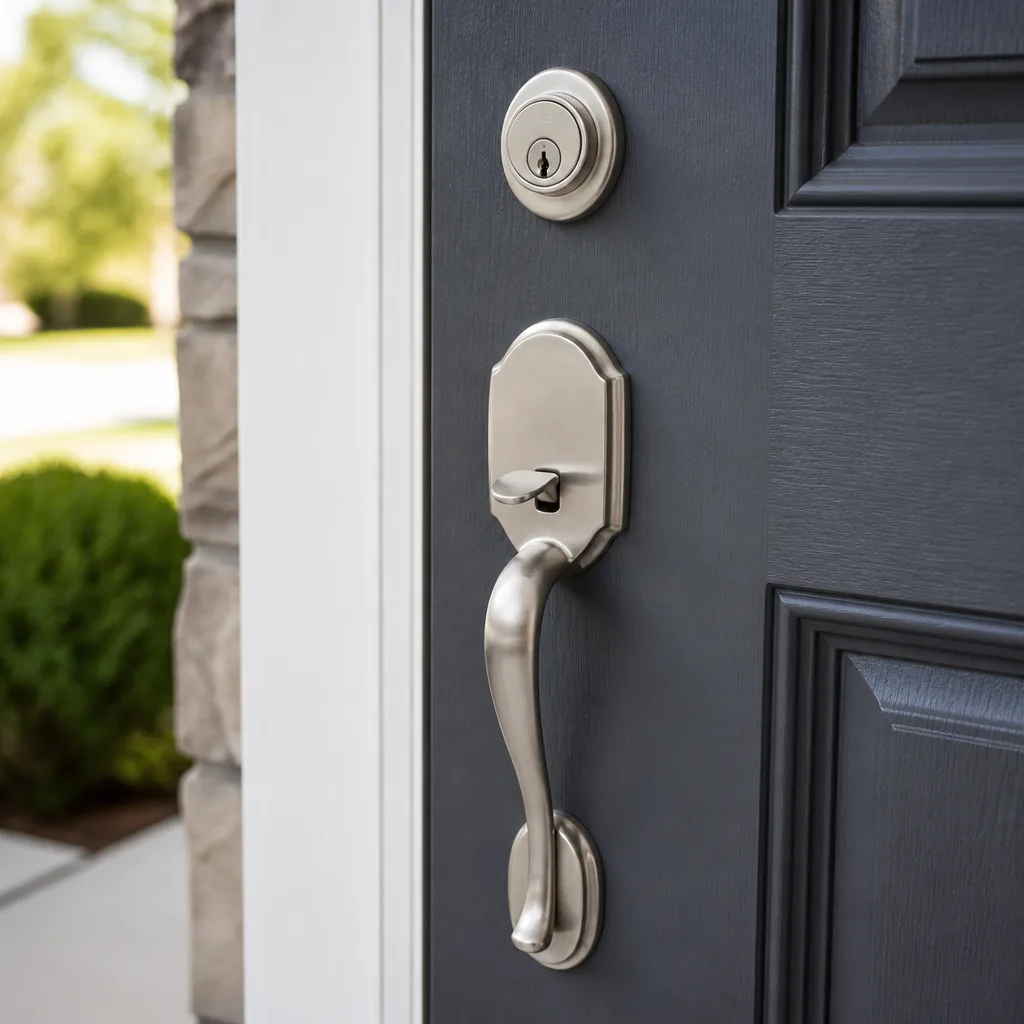 Kwikset
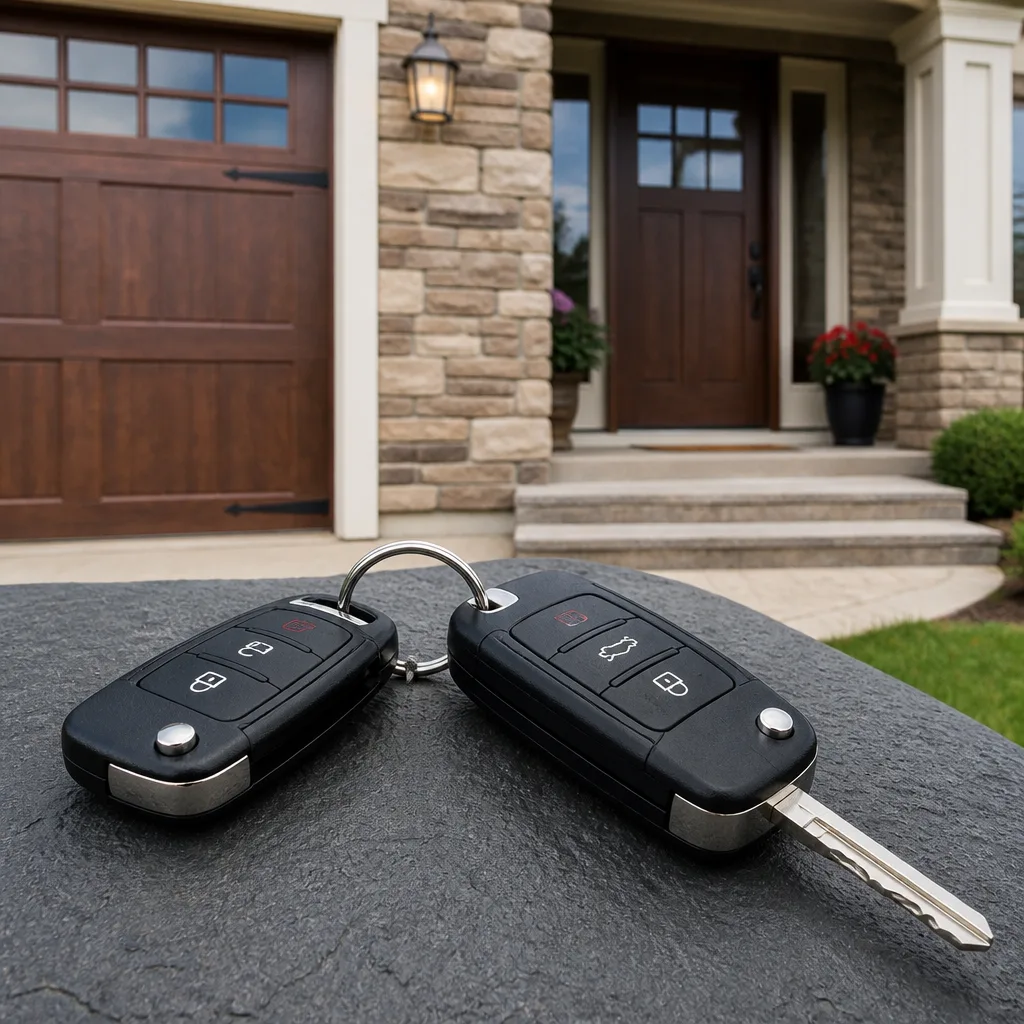 Car keys & fobs
Non-destructive entry first, always - and we re-key Schlage, Kwikset, and Baldwin locks on the spot while you watch
You get a price before we start. It does not change when we arrive. No surprises.
Get your free estimateLocksmith Emergency Preparedness Guide for Chicago Homes
Most Chicago homeowners can recite their plumber’s number from memory but would have to Google a locksmith if they locked themselves out tonight. That five-minute Google search? It’s exactly when the scammers get their calls. A locksmith emergency in Chicago isn’t just showing up late to dinner because you forgot your keys. It’s a broken key snapped off inside a frozen deadbolt on a January night when it’s eleven degrees. It’s a landlord who won’t rekey after the last tenant moved out, and you just heard a noise at your back door. This guide gives you the full protocol: how to vet and save a locksmith’s number before you need it, which Chicago emergencies demand immediate response, what to do in the fifteen minutes before help arrives, and when a lockout means you should rekey every lock in the house. For Locksmith Warning Signs: A Chicago Homeowner’s Reference Guide, see our companion post.
Quick Answer
Emergency locksmith preparedness for Chicago homes means having a verified, licensed locksmith’s number saved in your phone before a lockout happens, knowing which scenarios require immediate professional response versus a scheduled visit, and having your property’s lock information (brands, types, condition) documented so the locksmith can work fast when you call. The fifteen minutes before help arrives should go to staying safe and gathering information, not to scrolling through online reviews. A proper post-emergency debrief tells you whether a broken key in a lock is a single event or a sign that you need a full-house rekey.
Styles & brands we work with
Table of Contents
- How to Vet and Save a Locksmith’s Number Before You Need It
- Chicago-Specific Emergencies: Immediate Response vs. Business Hours
- The 15 Minutes Before the Locksmith Arrives: What to Do and What Not to Touch
- Building a Property Security Dossier: What Your Locksmith Needs to Know
- Post-Emergency Protocol: When a Lockout Should Trigger a Full Rekey
- How Chicago Climate and Housing Stock Affect Your Locks
- Common Mistakes to Avoid
- When to Call a Professional
- Frequently Asked Questions
How to Vet and Save a Locksmith’s Number Before You Need It
The single most effective emergency preparedness step you can take is also the one almost nobody does: save a vetted locksmith’s number in your phone today, while you have time to compare options calmly. When you’re locked out at midnight in February on the North Side, your decision-making ability plummets. Cold, stress, and time pressure push people toward the first phone number they see on a Google ad. And in the Chicago locksmith market, some of those ads belong to call centers that will quote you one price on the phone and send a subcontracted technician who doubles or triples it on arrival.
Here’s the five-minute process that eliminates that risk entirely:
- Search for locksmiths using terms like “emergency locksmith Chicago” and look past the ads. Open three organic results, not the paid listings. Read their service pages. A legitimate shop lists specific services: car key replacement, rekeying, emergency lockout response. A call center lists vague promises.
- Check for a physical address somewhere on the site. A Chicago locksmith serving Chicago homes should have a footprint in the city or nearby suburbs. No address at all is a red flag.
- Call during business hours and ask one specific question: “I have a Schlage deadbolt and I lost my keys. What would that cost?” A real locksmith will ask follow-up questions about the lock type, the door, whether you need rekeying or replacement. A call center will give you a single number without asking anything. That single number is almost never the final price.
- Save the number in your phone under “Locksmith” plus a name you’ll remember. Then text yourself a screenshot of their website and pricing page for later reference.
- Keep a secondary option. Save a second independent locksmith in a different part of the city. If your primary can’t get to you in a reasonable window, you have a fallback that isn’t a random Google result at 2 a.m.
In our experience, homeowners who do this once never have to think about it again. And when the emergency hits, they make one call to someone they already know is real. That’s the difference between a twenty-minute resolution and a three-hour ordeal that ends with a drill through your deadbolt and a $400 invoice.
Chicago-Specific Emergencies: Immediate Response vs. Business Hours
Not every locksmith problem requires a dispatcher rolling a truck at midnight. Understanding the difference saves you money and gets you the right level of service. Here’s how we break it down for Chicago homes, with Locksmith Permits, Codes & Inspections in IL: What You Need to Know available for reference.
Call immediately when:
- You’re locked out and someone inside the home is vulnerable. A child, an elderly relative, or a person with a medical condition alone inside changes the math completely. Call an emergency locksmith in Chicago regardless of the hour.
- You’ve experienced a break-in or an attempted break-in. This is the one scenario where waiting until morning is genuinely unsafe. Your locks may be damaged in ways you can’t see, and your home is now a known target. An immediate professional assessment and rekey is the only responsible move.
- A key has broken off inside the lock. We see this more often in Chicago winters, when cold metal turns brittle. Even if you can still open the door with a spare key, the broken piece inside the cylinder is working against you. Every turn of the key grinds it deeper. This is time-sensitive because continued use can turn a simple extraction into a full lock replacement.
- Your car is locked with the keys inside and it’s running, or a pet is inside. Chicago parking lots and street parking don’t offer much shelter. A running engine in winter or an animal in summer heat overrides any cost consideration. Automotive key replacement and lockout response are standard calls for us.
Can safely wait for business hours:
- A single lock that’s sticky but still functional. If the key turns with effort but the door locks and unlocks, you can schedule a service call during the day. Just don’t ignore it indefinitely; sticky locks fail at the worst possible moment.
- You want a key duplicate for a standard residential key. Hardware stores in Chicago can handle basic Kwikset or Schlage duplicates. If you have a restricted or high-security key, that’s a specialized job, but it’s not an emergency.
- You’ve moved into a new place and want the locks rekeyed. This is a smart, urgent-sounding thing to do, but unless you have reason to believe a former tenant or resident is a threat, it’s a scheduled service. You can book a rekey in Chicago for the next available window rather than paying emergency dispatch fees.
The rule of thumb: if safety, access, or property damage risk is active right now, call now. If it’s an inconvenience or a planned improvement, schedule it. Knowing the difference is part of being a prepared Chicago homeowner.
The 15 Minutes Before the Locksmith Arrives: What to Do and What Not to Touch
You’ve made the call. Help is on the way. The window between hanging up and the locksmith arriving is when a lot of homeowners make a bad situation worse. Here’s what to do, and just as important, what not to do.
What to do first:
- Confirm your address and a callback number. If you called from a number that isn’t yours, or your phone is at 3% battery, sort that out immediately. Text the dispatcher your cross streets if you’re on a corner lot or your building has an unusual entrance setup.
- Get yourself safe. In Chicago, a lockout at night in certain neighborhoods isn’t just frustrating, it’s a genuine safety consideration. If you can wait in a neighbor’s apartment, a lobby, or a nearby business, do it. Tell the locksmith where you’ll be waiting and stay reachable.
- Gather proof of residence. A legitimate locksmith will ask you to verify you belong at the address before opening a door. Have your ID and a piece of mail or a lease ready. This slows things down if you don’t have it ready.
- Locate the specific door or lock that’s the problem. If you tried the front door and the deadbolt is seized, tell the locksmith which door you tried and whether the knob turns or the deadbolt is the issue. That single detail saves a lot of time.
What not to do:
- Do not force the door. We’ve seen homeowners decide to try a credit card, a screwdriver, or a shoulder against the frame while waiting. The lockout that would have been a $90 service call becomes a $300 door frame repair plus a new deadbolt. The door frame is almost always more expensive than the lock.
- Do not spray WD-40 into the lock. This is the most common lock-damaging mistake in Chicago. WD-40 is a water dispersant, not a lock lubricant. It dries into a gummy film that traps dirt and makes the problem worse. Proper lock lubricant exists. If a locksmith recommends it, follow their lead.
- Do not keep trying the key. If a key is bending, sticking, or partially broken in the cylinder, every additional attempt grinds metal fragments deeper into the lock. Once you know something is wrong, stop. Let the professional assess it.
- Do not hide your keys in the obvious spots. If you’re locked out and find a spare hidden under a mat, behind a planter, or in a fake rock, note it and move it inside once you’re back in. Those three spots are exactly where burglars look first in Chicago. After a lockout is a good time to rethink your spare key strategy entirely.
Building a Property Security Dossier: What Your Locksmith Needs to Know
A locksmith works fastest when they know what they’re walking into. You can shave serious time off an emergency call by keeping a simple security dossier for your property. It doesn’t need to be a formal document. A notes app entry or a sheet of paper in a kitchen drawer works fine. Here’s what to record.
Lock brands and types on every exterior door
Walk the perimeter of your home once and note what’s installed. Is the front door a Kwikset or a Schlage? Is the back door a Yale or something older with no visible branding? Are any of your locks high-security cylinders like Medeco, Mul-T-Lock, or Baldwin? Most Chicago single-family homes and condos have a mix. Knowing the brand matters because different brands use different cylinders, keyways, and replacement parts. A locksmith stocking eight major brands, including high-security platforms like Medeco and Mul-T-Lock that most local shops don’t carry, can service your locks in one visit. If you only have a generic “no-name” cylinder, that’s useful information too.
Key codes and copies
Some high-security keys come stamped with a code that authorizes duplication. If you have a Medeco or Mul-T-Lock key with a card or code, note it in your dossier. Don’t photograph the key itself and store it on your phone, but do note the code separately from the key. This matters because high-security key duplication requires that code, and having it ready means a faster key replacement if you lose one.
Cylinder condition notes
When was the last time each lock was serviced or replaced? Have any of the locks been stiff for a while? Did a window or door get replaced recently, changing how the frame sits against the lock? These notes give the locksmith the context they’d otherwise have to deduce on site, often in the dark and cold.
Keep the dossier simple. Fifteen minutes once, then update it only when something changes. The point is that in an emergency, you’re not trying to remember what kind of lock is on the back door while standing outside in January. You just read it to the locksmith, and they come prepared.
Post-Emergency Protocol: When a Lockout Should Trigger a Full Rekey
After an emergency is resolved, most Chicago homeowners want to close the chapter and move on. But some events leave a lingering question: should I rekey my whole house, or just replace the one lock that was involved? Here’s the honest breakdown.
Rekey everything immediately if:
- Any keys are missing and you can’t account for them. This isn’t just about a lockout. If you lost keys anywhere that someone might connect to your address, a rekey is the only way to truly reset access. Rekeying changes the internal pins of your locks so old keys stop working, without replacing the hardware.
- You’ve moved into a new property. Whether buying or renting in Chicago, you have no reliable history of who holds copies of the existing keys. Previous owners, tenants, contractors, realtors, cleaning services. A full rekey on day one removes every one of those unknown keys from the equation.
- There’s been a break-in or an attempted break-in. Even if the intruder didn’t take keys, they’ve seen your security setup. Rekeying every exterior lock is the minimum response. If locks were damaged in the attempt, replacement of those specific locks is warranted.
A single lock replacement or repair is usually fine if:
- You broke a key in the lock and have the broken pieces. No security breach occurred. The lock failed mechanically, not because someone compromised it. Extract the broken piece, replace the lock if necessary, and move on.
- One lock wore out after years of Chicago winters. A deadbolt that’s served ten years of cold, rain, and freeze-thaw cycles may simply be done. Replace it with a comparable model and keep your existing keys working on the other locks.
- You know exactly where your keys are and they’re not accessible to anyone else. Locked in the house? Dropped in a parking lot where you found them twenty minutes later? No rekey needed if you’re confident about the chain of custody.
Rekeying is one of the most cost-effective security moves a Chicago homeowner can make. It costs a fraction of full hardware replacement and resets your entire access footprint in about the time it takes to watch a movie. When in doubt, rekey. The alternative is a lingering question about who might still have a working key to your front door.
How Chicago Climate and Housing Stock Affect Your Locks
Chicago’s weather does things to locks that milder climates never see. Understanding these patterns helps you anticipate problems before they strand you outside. Our Seasonal Locksmith Care for Chicago: Year-Round Homeowner’s Guide covers this in depth.
Freeze-thaw cycles are the main event. Locks sit in exterior doors exposed to temperature swings from below zero to above freezing, sometimes within the same week. Moisture gets into the cylinder, freezes, expands, and forces internal components out of alignment. A lock that works fine in October may refuse to turn in February. This is one of the most common emergency calls we get in Chicago winters: not a lockout in the traditional sense, but a lock that has frozen or seized with the key half-in.
Chicago’s housing stock spans two centuries. A three-flat in Bridgeport, a bungalow in Portage Park, a high-rise condo in Streeterville, a Victorian in Hyde Park: each era of construction brought different door hardware. Some older Chicago buildings still have original mortise locks from the 1910s and 1920s. Those locks were beautifully made, but parts are scarce and not every locksmith stocks them. Newer construction often uses standardized Schlage or Kwikset hardware that’s straightforward to service. In our experience, the older the building, the more you should prioritize having a locksmith who actually carries parts for the hardware you have, not just someone who arrives with a drill.
Salt and road grime migrate to keyways. In winter, everything you touch outside has salt residue on it. Keys pick up grit, which transfers into the cylinder every time you unlock your door. Over a Chicago winter, that internal grit builds up and accelerates wear. If your key starts feeling rough going in, don’t ignore it. A quick cylinder cleaning in December prevents a January lockout.
Common Mistakes to Avoid
- Choosing a locksmith based on the cheapest online ad. Chicago-area bait-pricing is real. A too-low quote on the phone almost always balloons on site. A legitimate locksmith gives you an honest range and explains what changes it.
- Waiting until you’re already locked out to find a locksmith. You’ve read this guide. The five-minute vetting process above is the single highest-return preparedness action available to you.
- Forcing a door before the locksmith arrives. You will almost always cause more damage than existed before you started. Door frames, trim, and the lock itself are all more expensive to repair than the original service would have been.
- Using WD-40 on a sticky lock. It works for about a day, then makes things worse. Proper lock lubricant, or a locksmith’s cleaning tool, is the correct long-term fix.
- Hiding a spare key in plain sight. Under the mat, in the fake rock, above the doorframe: burglars check all of these. Chicago’s dense housing means your hiding spot is probably visible from at least one neighbor’s window, or from the street.
- Not rekeying after moving into a new place. Unknown keys from previous occupants are a real risk, and rekeying is far cheaper than replacing all your hardware. This one step eliminates a whole category of worry.
- Ignoring a lock that’s been difficult for months. Locks give warning signs before they fail. A sticky deadbolt, a key that needs wiggling, a cylinder that feels gritty: these are all early indicators. Address them on your schedule, not from your front step at 1 a.m.
When to Call a Professional
A trained locksmith is the right call for any emergency that involves access to your home, your car, or your property. Broken keys, seized cylinders, lockouts, post-break-in rekeying: these are all situations where attempting a fix without the right tools and training makes things worse. High-security systems like Medeco, Mul-T-Lock, and Baldwin are precision hardware. We’re certified across eight major lock brands, from standard Kwikset and Schlage to high-security platforms most Chicago locksmiths don’t stock or service. When a lockout happens, the right professional arrives with the right parts and the right technique. Valor Locksmith offers free estimates in Chicago. Call (877) 870-5926 and we’ll walk you through exactly what we’d do and what it should cost.
Frequently Asked Questions
Emergency locksmith service in Chicago typically runs between $90 and $275 depending on the time of day, the type of lock involved, and whether you need rekeying or simple access. A straightforward lockout with a standard deadbolt is on the lower end. A high-security lock, a broken key extraction, or a full rekey after the fact runs higher. Any price that seems dramatically lower than that range on the phone is a red flag. Get a full quote before anyone is dispatched, and confirm that the price on the phone is the price on the invoice. Call (877) 870-5926 for a specific quote for your situation.
In most cases, yes. A skilled locksmith carrying the right tools can open standard Chicago residential locks non-destructively. The damage occurs when homeowners try to force the door themselves before help arrives, or when someone without proper training reaches for a drill too early. High-security brands like Medeco and Mul-T-Lock require specialized techniques and tools. We’ll always try non-destructive entry first.
Response time depends on where you are in the city, traffic, and time of day. A locksmith already on the North Side can reach most North Side neighborhoods faster than someone coming from the South Side during rush hour. When you call, get a clear arrival window before you commit to the dispatch. Any locksmith who won’t give you a window is one you shouldn’t wait for.
It should be, and at Valor Locksmith it is. We quote the full price before anyone is dispatched, and we don’t add a call-out surcharge on arrival. If a locksmith’s phone quote changes when they show up, that’s a violation of the trust you placed in them. Ask direct questions and get firm numbers before you agree to a dispatch.
If you’ve lost your car keys and have no spare, automotive key replacement is a specialized service. We handle car key replacement for Chicago drivers, including transponder keys and fobs. The process varies by make and model, so call as soon as you know the keys are gone. The faster you call, the sooner we can source the right key and get you back in your vehicle. Call (877) 870-5926.
Look for a physical address, a phone number answered by a person, and a willingness to answer specific questions about your lock before quoting a price. A legitimate operation will ask about your lock brand, the type of door, and whether you need rekeying or simple access. A scam call center will give a single price with no follow-up questions. Vet your locksmith before the emergency, not during it.
The Bottom Line
A locksmith emergency in Chicago doesn’t have to be a crisis. The difference between a smooth resolution and a nightmare is almost always preparation. Vet and save a locksmith’s number now. Document your property’s lock brands and key codes. Know which situations require immediate response and which can wait. Treat a lockout as potential evidence that a rekey is in order. And when the moment comes, call someone who arrives with skill and transparency. Browse our more guides & resources for additional homeowner tips. Valor Locksmith covers car key replacement, emergency lockout response, and rekeying across Chicago. One call for locks, keys, and rekeying. Valor shows up.
Written by the team at Valor Locksmith, serving Chicago since 2013.