Last updated October 31, 2026
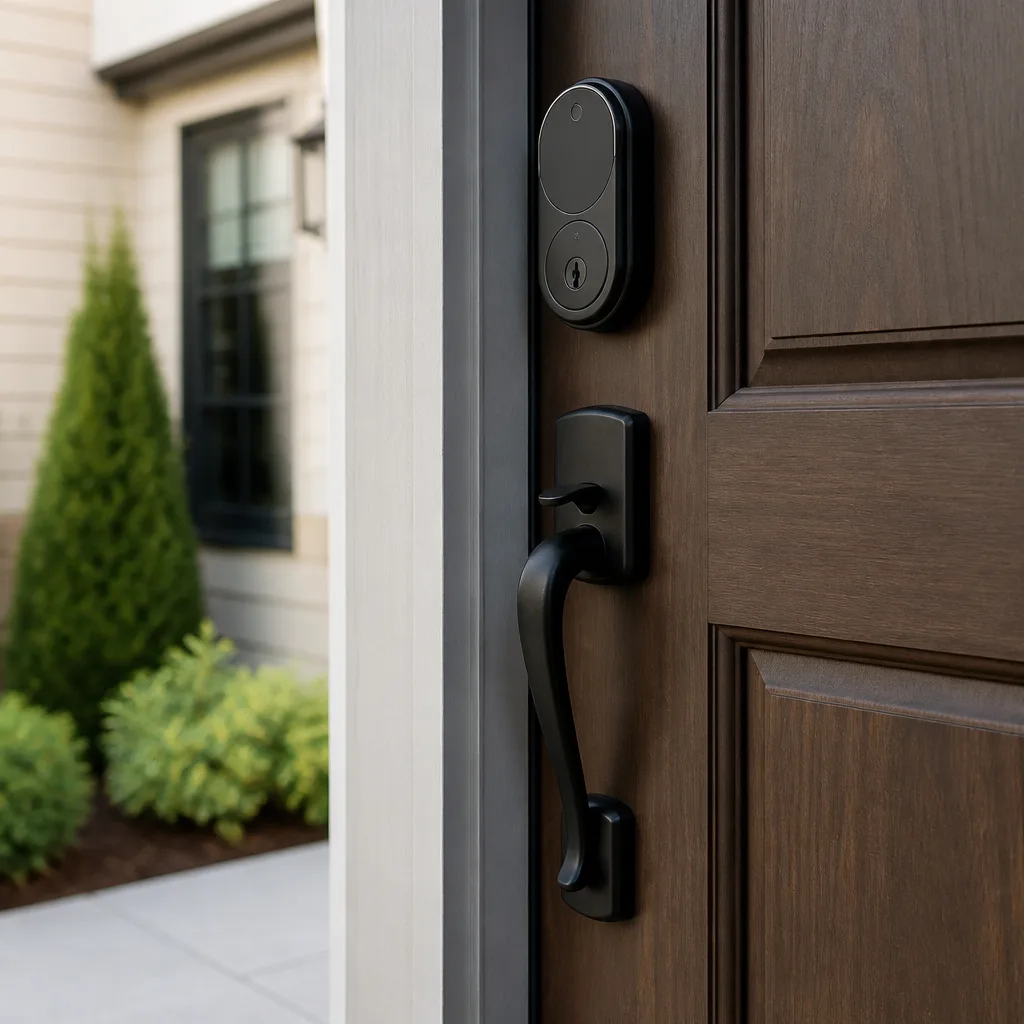 Smart locks
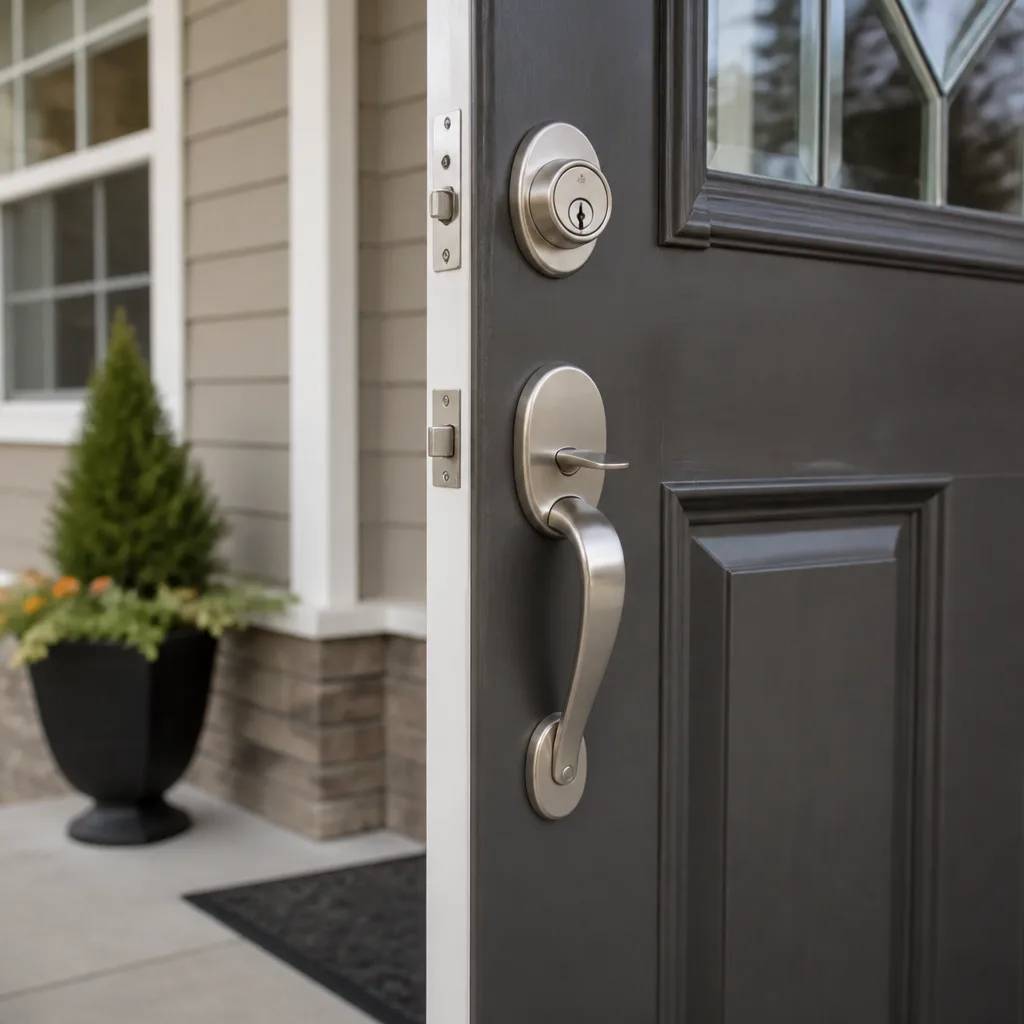 House lockouts
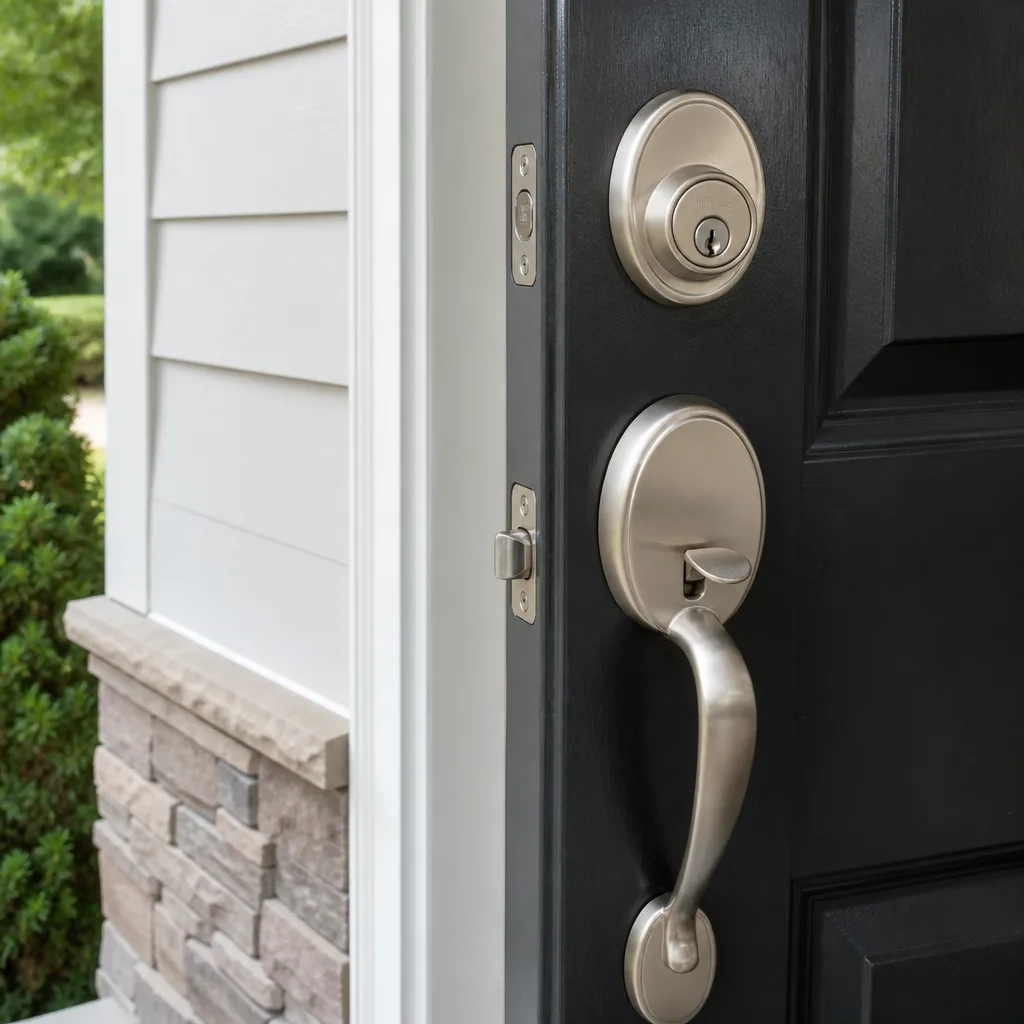 Re-keying
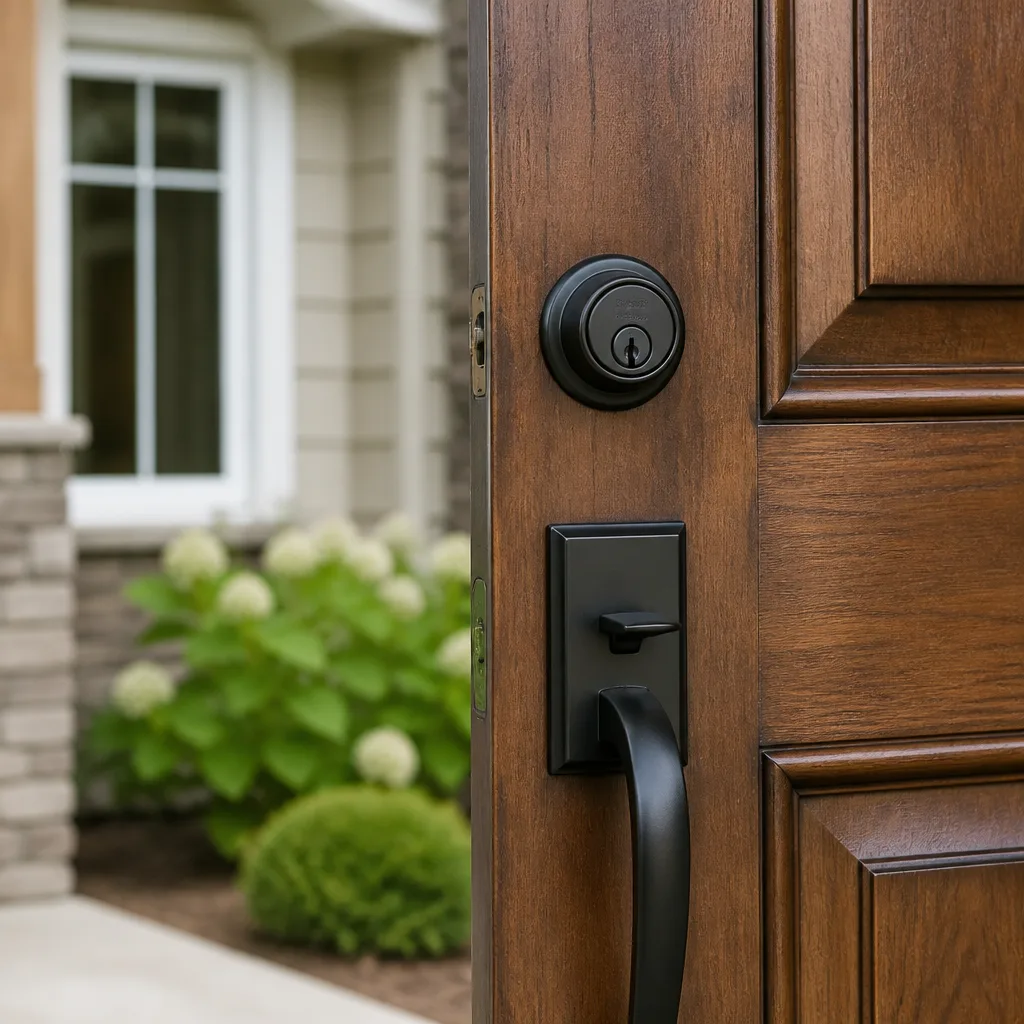 Deadbolt upgrades
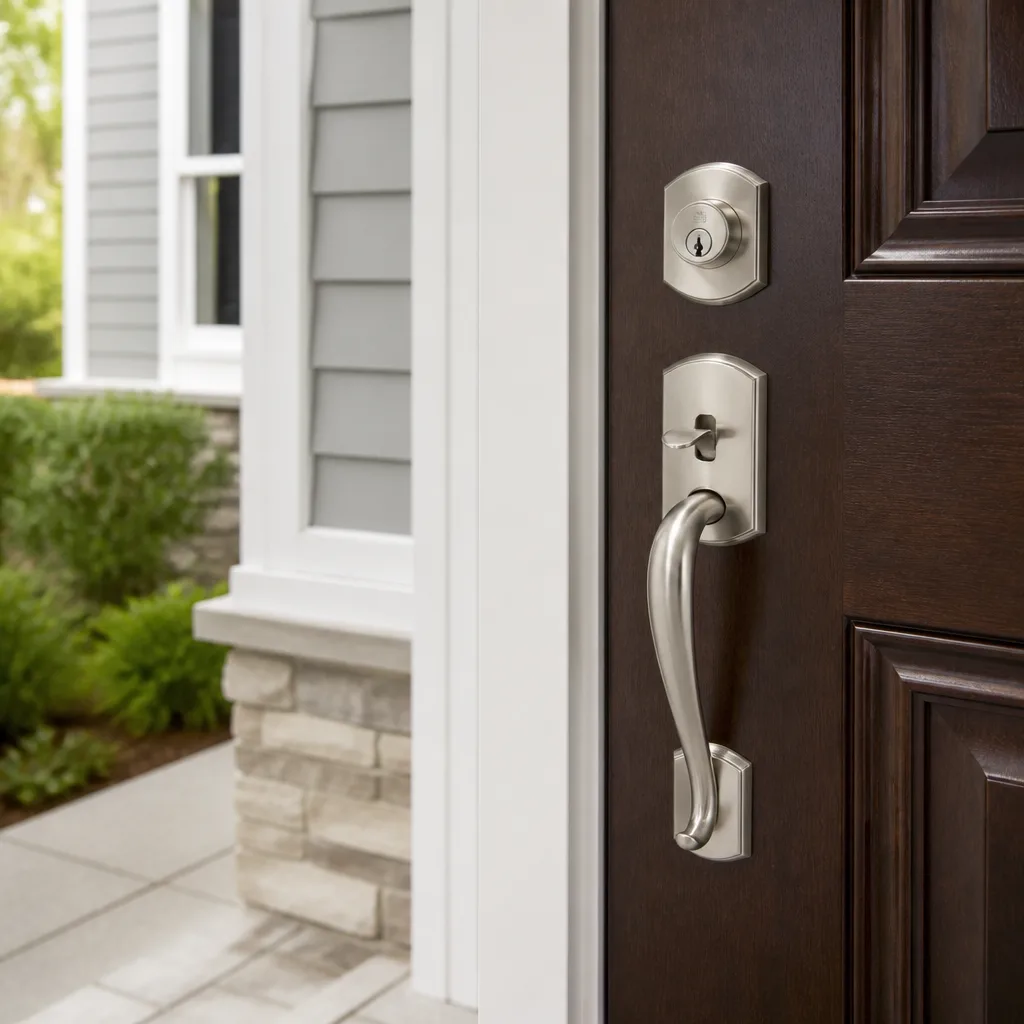 Schlage
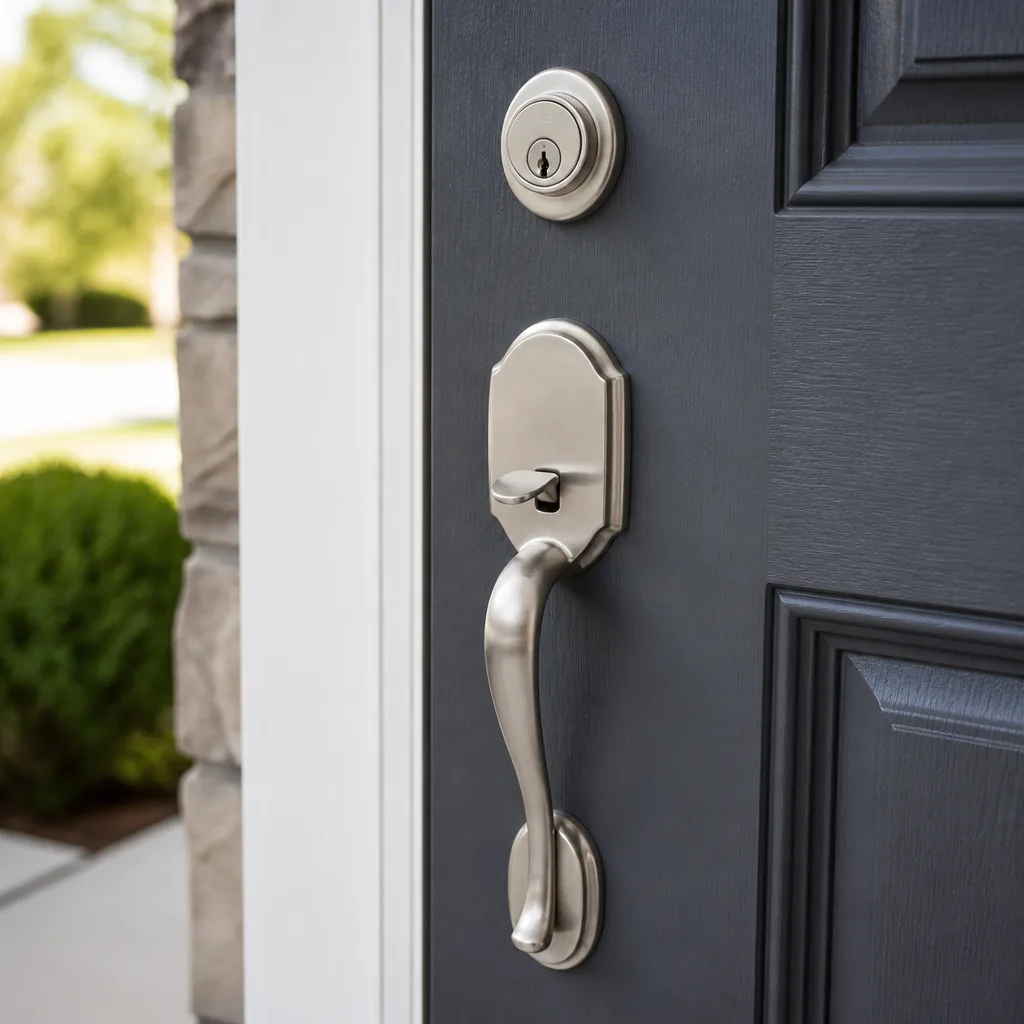 Kwikset
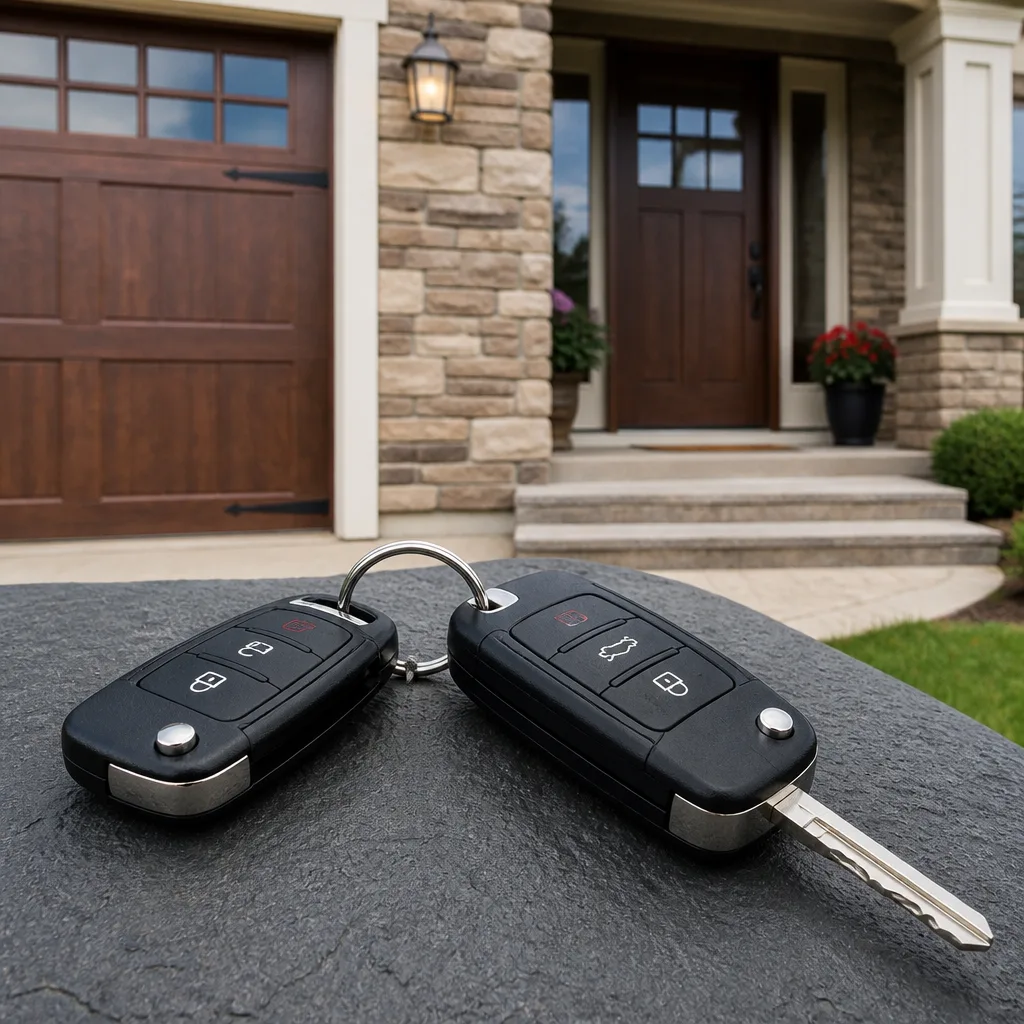 Car keys & fobs
Non-destructive entry first, always - and we re-key Schlage, Kwikset, and Baldwin locks on the spot while you watch
You get a price before we start. It does not change when we arrive. No surprises.
Get your free estimateLocksmith Cost Breakdown: The Chicago Homeowner’s Reference for 2026
There’s a $340 spread between the cheapest legitimate lockout call in Chicago and the most expensive one, and both prices can be justified. The difference is not the locksmith’s margin. It comes down to three variables most callers never ask about before agreeing to service: when you call, what hardware is on your door, and whether anything needs programming. This guide breaks down the actual cost structure of residential locksmith work in Chicago for 2026, so the next time you need one, you’ll know exactly what you’re paying for and why. If you’ve ever been quoted $75 on the phone and charged $285 on site, this is the reference you needed before that call.
Styles & brands we work with
Quick Answer
Locksmith costs in Chicago for 2026 fall into predictable ranges: $75 to $180 for a standard residential lockout during normal business hours, $95 to $160 per lock to rekey, $140 to $260 per deadbolt installed with hardware included, and $180 to $400 for high-security cylinder work. Automotive key replacement and programming runs $150 to $450 depending on whether the key has a transponder chip or requires dealer-level programming equipment. The full price should always be confirmed on the phone before anyone is dispatched, and that phone quote should match what’s on your invoice.
Table of Contents
- The Three Cost Variables That Actually Determine Your Price
- Service-by-Service Cost Breakdown for Chicago in 2026
- The Hardware Markup Reality: Schlage B60N and What It Actually Costs
- Why Commercial and Multi-Unit Jobs Are Priced Differently
- How to Compare Quotes Without Getting Burned by a Low-Ball Phone Number
- What Chicago’s Housing Stock and Climate Mean for Your Locksmith Bill
- Common Mistakes to Avoid
- When to Call a Professional
- Frequently Asked Questions
- The Bottom Line
The Three Cost Variables That Actually Determine Your Price
Most homeowners assume a locksmith’s price is a function of the job itself. That’s only partially true. In our experience working across Chicago’s North and West sides, three variables move the needle more than anything else, and none of them are complicated once you know to look for them.
Variable 1: Time-of-call premium. A lockout at 2:00 PM on a Tuesday costs less than a lockout at 1:00 AM on a Saturday. That’s not price gouging. It reflects the reality that a locksmith running a 24-7 operation staffs for nighttime availability, drives farther between jobs, and carries the overhead of being ready for a call that may or may not come. In Chicago, expect a $40 to $90 premium for after-hours dispatch, with the highest multiplier applied between midnight and 5:00 AM. Weekend daytime calls typically carry a $25 to $50 premium.
Variable 2: Hardware tier. A Kwikset cylinder and a Medeco cylinder both unlock a door. The difference is the precision of the machining, the security features inside the cylinder, and whether the keyway can be duplicated at a hardware store or requires a registered key card. When your locksmith quotes you $95 to rekey a standard residential lock and $180 to $240 to rekey a high-security cylinder, the additional cost is the labor time, the specialized pins, and the controlled key blanks. You’re not paying for the same service at a markup. You’re paying for a different category of lock.
Variable 3: Programming complexity. This one catches people off guard. A residential deadbolt is mechanical. A modern car key, however, contains a transponder chip that must be synced to the vehicle’s immobilizer system. Programming equipment for a 2018 Honda key costs a locksmith thousands of dollars and requires software subscriptions that renew annually. When a car key replacement quote includes a programming line item of $80 to $150, that’s not padding. That’s the amortized cost of the equipment and the technician’s training to use it without bricking your vehicle’s computer system.
Those are the three dials. Time of call. Hardware tier. Programming. Everything else in a locksmith quote is a derivative of these.
Service-by-Service Cost Breakdown for Chicago in 2026
Here’s what each common residential and automotive service should cost in Chicago this year, assuming a standard single-family home or a standard consumer vehicle. These ranges assume normal business hours. Add the premiums from the section above for nights, weekends, or specialized hardware.
Residential Lockout: $75 to $180
A standard lockout on a Kwikset or Schlage lock, where the door is simply latched and not deadbolted, runs $75 to $120 in most Chicago neighborhoods during business hours. If the deadbolt is engaged, expect $110 to $180. The spread covers travel time, the type of lock, and whether the locksmith can pick the cylinder or needs to bypass it another way. A well-maintained Schlage deadbolt might take 10 minutes to open. A corroded lock on a vintage Lakeview three-flat might take 45 minutes. That difference is real and legitimate.
Rekeying: $65 to $95 service call + $18 to $35 per cylinder
Rekeying a single lock in Chicago typically lands between $95 and $160 all-in, depending on whether you have a standard Kwikset or Schlage cylinder or something more specialized. Rekeying is the cost-smart alternative to full lock replacement when your hardware is in good condition and you just need the old key to stop working. If you’ve moved into a new place in Logan Square or Bridgeport and don’t know who has copies of the old keys, a rekey job on three exterior doors usually runs $230 to $380, and it’s the fastest way to establish key control without tearing out perfectly good hardware.
New Deadbolt Installation: $140 to $260 per lock
This includes the hardware and the labor. A Schlage B60N or Kwikset 980 deadbolt, installed and keyed, runs $140 to $190. A Baldwin deadbolt, which is a heavier, more precisely machined unit, runs $200 to $320 installed. The labor portion is typically $55 to $90 per lock. The reason to use a locksmith rather than a handyman for deadbolt installation is the bore alignment: a poorly installed deadbolt will bind, wear the cylinder, and fail prematurely. In Chicago’s older housing stock, where door frames have settled and strike plates no longer align, this is a real issue. A locksmith addresses the fit, not just the fastening.
High-Security Upgrade: $180 to $400 per cylinder
Installing a Medeco, Mul-T-Lock, or Abloy cylinder is not a like-for-like swap. These brands use patented keyways, drill-resistant components, and key control systems that prevent unauthorized duplication. The cylinders alone retail for $80 to $200, and installation requires a technician who’s been through the manufacturer’s training program. We work on the full spectrum, from entry-level Kwikset and Yale to high-security Baldwin and Mul-T-Lock systems, and the pricing gap is not brand snobbery. A Medeco cylinder with a registered key card is a fundamentally different security product than a big-box deadbolt.
Car Key Replacement with Programming: $150 to $450
The single biggest variable here is whether your vehicle uses a basic transponder key, a proximity key with push-button start, or a key fob with separate electronics. A basic transponder key for a 2015 Ford Focus might run $150 to $220 with programming. A proximity smart key for a 2021 Toyota RAV4 typically runs $250 to $400. A European vehicle with dealer-locked software may push to $450. Car key replacement is a service we run daily, and the pricing is driven almost entirely by the equipment and software required to program the specific vehicle. There’s no flat rate for “a car key.”
The Hardware Markup Reality: Schlage B60N and What It Actually Costs
Here’s a pricing breakdown most locksmiths won’t walk you through, because it makes the markup conversation uncomfortable. We’ll have it anyway, because it’s the single most common question Chicago homeowners ask once they see the invoice.
A Schlage B60N deadbolt retails for about $38 at Home Depot. That’s the consumer price for the box, the cylinder, the keys, and the mounting hardware. When a locksmith installs that same deadbolt, the line item for hardware is usually $65 to $85. That markup is not greed. It covers something most homeowners never see: the locksmith’s inventory risk.
We stock that Schlage B60N in multiple finishes, along with a full range of cylinders, tailpieces, strike plates, and key blanks, so that when a customer in Wicker Park calls at 9:00 PM with a failed deadbolt, the part is on the truck. That inventory costs money to buy, store, insure, and move. The markup also covers the reality that locksmiths warranty their hardware installation. If that Home Depot deadbolt fails six months after you install it yourself, you’re taking it back to Home Depot and spending another Saturday on the job. If the locksmith-supplied deadbolt fails six months after installation, the locksmith eats the replacement.
The same math applies at the high end. A Mul-T-Lock Hercular deadbolt might run $140 to $180 from an authorized distributor. Installed, it’s $280 to $380. The extra $100 to $200 covers the technician’s training, the specialized pinning kit, the controlled key card registration, and the fact that the locksmith can’t cut a duplicate without going through the manufacturer’s system. You’re paying for access control infrastructure, not just a hunk of brass.
The takeaway: when you compare a locksmith’s hardware price to a big-box store price, you’re comparing two different products. One is a box on a shelf. The other is a box on a shelf plus the guarantee that a trained professional will stand behind it.
Why Commercial and Multi-Unit Jobs Are Priced Differently
If you’ve ever quoted the same rekey job to a single-family homeowner and a condo association, you’ll notice the commercial number is higher even when the lock count is identical. There are four reasons for this, and understanding them helps you request an accurate quote before committing.
1. Key control requirements. A commercial property or condo building typically requires a master key system, where the building manager’s key opens common areas, the unit owner’s key opens their unit, and a third key might open a storage room or bike room. Designing and pinning a master key system is a technical skill. The math behind the pinning charts is exact, and a bad master key system creates security vulnerabilities across the entire property. You’re paying for the engineering, not just the pinning.
2. Hardware diversity. A single-family home has two or three exterior doors, all using the same lock brand. A 12-unit condo building in Albany Park might have four different lock brands across common areas, unit doors, and rear entrances. Each brand requires its own pinning kit and keyway knowledge. We’re certified across eight brands including Schlage, Kwikset, Medeco, Sargent, and Abloy because that range is a daily requirement in Chicago’s multi-unit housing stock, not a marketing bullet point.
3. Scheduling constraints. Commercial work happens during business hours. That means a technician is allocated to a job that could otherwise serve emergency call volume. The rate reflects the opportunity cost and the scheduling commitment.
4. Documentation. Property managers need invoices with per-unit detail, key counts, and sometimes security audit trails. That administrative work is part of the job.
How to request an accurate quote: tell the locksmith the number of doors, the lock brands if you know them, whether a master key system is in place, and the preferred service date. Ask for a written scope with a flat per-lock price. A legitimate locksmith will provide this before dispatch. Anyone who won’t put a per-lock price in writing is not someone you want handling your building’s key control.
How to Compare Quotes Without Getting Burned by a Low-Ball Phone Number
The bait-and-switch locksmith problem is well documented in Chicago. A caller is quoted $39 over the phone, the tech arrives and announces the lock is “high security” and the job is now $280, and the customer pays because their door is disassembled and they’re locked out. Here’s how to avoid becoming that customer.
- Ask for the full price over the phone, including service call, labor, and standard hardware. A legitimate locksmith can quote this for a standard lockout or rekey. If they refuse to commit to a number, that’s your sign.
- Confirm that the phone price is the invoice price. Say it directly: “Is the number you just gave me the total I’ll see on the invoice, assuming no additional work is requested?” If they hedge, move on.
- Ask about the service call fee separately. This is the dispatch fee that covers the tech showing up. In Chicago, standard service call fees run $25 to $75 during business hours, $75 to $120 after hours. A company that quotes a flat $125 for a lockout with service call included and a company that quotes $65 with a $45 service call are pricing the same job. But you should know that before dispatch.
- Ask what lock brands they service. If the answer is a generic “all of them,” be skeptical. Ask specifically about Kwikset, Schlage, and Medeco. A real locksmith answers in specifics. High-security brands like Sargent, Mul-T-Lock, and Abloy require dedicated training and pinning kits that many shops simply don’t carry.
- Request the quote in writing before the tech is dispatched. A text or email quote establishes a paper trail. It won’t fully protect you from a bad actor, but it creates an expectation that the invoice will match.
This process takes 90 seconds on the phone. It’s the difference between a predictable bill and a $300 surprise.
What Chicago’s Housing Stock and Climate Mean for Your Locksmith Bill
Chicago is not a generic locksmith market. The city’s housing stock creates specific cost factors that don’t show up in national pricing guides, and the climate creates its own set of service needs.
First, the housing stock. Large parts of Chicago’s North Side consist of two-flats and three-flats built between 1890 and 1930. These buildings have original hardwood doors, mortise locksets rather than modern cylindrical locks, and decades of accumulated hardware modifications. Repairing a 1920s mortise lock in a Lincoln Square three-flat is a different job than swapping a modern deadbolt on a Naperville subdivision house. The parts are harder to source, the labor is more specialized, and the pricing reflects that. Expect a 15% to 30% premium for mortise lock repair or rekeying on vintage Chicago doors.
Second, the climate. Chicago winters subject exterior locks to freeze-thaw cycles that corrode internal components and bind cylinders. A lock that works fine in October may seize in February. The fix is usually a graphite or Teflon lubricant treatment, which a locksmith can do in 10 minutes during a service call for $20 to $40. But if the lock has been grinding for a year without maintenance, the repair may require a full cylinder replacement. We recommend having exterior locks serviced every two to three years, ideally before winter, to avoid the emergency call in January when a frozen lock turns into a failed lock.
Third, the geography. Travel time between neighborhoods is a real cost factor. A locksmith running calls from the North Side down to Hyde Park or up to Rogers Park is spending 30 to 45 minutes in traffic each way. That time is built into the service call fee. When you schedule a non-emergency service, you can often reduce your total bill by requesting a window when the tech is already working in your area. It’s a small optimization, but in a city where distance and traffic are real line items, it matters.
Common Mistakes to Avoid
- Accepting a phone quote without asking if it’s the full price. The single most common mistake. A “$35 lockout” quote in Chicago is almost certainly going to become $180 on site. Ask for the all-in number before dispatch, and say you’ll hold the tech to it.
- Replacing locks that only need rekeying. If your Schlage deadbolt is in good condition and you just want the old key to stop working, a rekey is $95 to $160 per lock. A full replacement is $140 to $260. Rekey instead of replace and save money without sacrificing security. Don’t pay for new hardware you don’t need.
- Not asking about the service call fee upfront. Some shops quote labor only and then add a $75 “dispatch fee” on top. The dispatch fee itself is legitimate, but it should be disclosed on the phone, not discovered on the invoice.
- Using a handyman for deadbolt installation. A handyman charges less per hour, but bore alignment issues on Chicago’s older doors are a real problem. A poorly set strike plate will cause the deadbolt to bind, and the $60 you saved on labor turns into a $180 repair in 18 months.
- Waiting until the lock fails completely to call. Grinding cylinders, sticky keys, and loose tailpieces are warning signs. A $40 service during business hours prevents a $180 emergency call at 2:00 AM. The math is not subtle.
- Buying the cheapest hardware and expecting commercial-grade performance. A $25 big-box deadbolt is a $25 deadbolt. It will work on a standard suburban door. On a heavy Chicago exterior door with decades of seasonal movement, it will fail. The hardware tier matters, and the pricing reflects it.
When to Call a Professional
You should call a locksmith the moment you’ve lost your keys and cannot account for who might have them. That’s not an inconvenience. That’s a key control problem, and a rekey is the only complete fix. You should also call after a break-in or an attempted break-in, because the cylinder may be damaged even if the door still works. And you should call when you move into a new home or condo, because previous owners, tenants, contractors, and property managers have all held copies of your keys at some point.
For emergency lockouts, Valor shows up. The full price is quoted on the phone before dispatch, and the number you’re quoted is the number on the invoice. We work on the full brand range from Kwikset and Schlage to Medeco, Baldwin, and Mul-T-Lock, and we carry the pinning kits and key blanks to match. Valor Locksmith offers free estimates in Chicago. Call (877) 870-5926.
Frequently Asked Questions
A residential locksmith call in Chicago runs $75 to $180 for a standard lockout, $95 to $160 per lock for rekeying, $140 to $260 per deadbolt installed, and $150 to $450 for car key replacement with programming. After-hours and weekend calls carry a $25 to $90 premium. Call (877) 870-5926 for a free estimate on any residential, commercial, or automotive locksmith job.
Rekeying a single lock in Chicago costs $95 to $160 including the service call and labor. Rekeying three exterior doors on a typical Chicago two-flat or three-flat runs $230 to $380. The price depends on the lock brand and whether the cylinders are standard or high-security. This is significantly cheaper than full hardware replacement, which runs $140 to $260 per lock.
With Valor Locksmith, yes. The price you’re quoted on the phone is the price on the invoice, assuming no additional work is requested on site. Any legitimate locksmith should be able to give you a full quote over the phone for a standard lockout or rekey. If a company refuses to commit to a number before dispatch, that’s a warning sign.
Emergency response time in Chicago depends on your neighborhood and the time of day, but most urgent calls are handled within 30 to 60 minutes of dispatch confirmation. After-hours calls may take slightly longer due to reduced staffing. Our emergency locksmith service runs around the clock, and the dispatch fee is disclosed on the phone before anyone is sent out.
Car keys contain transponder chips that must be programmed to your vehicle’s immobilizer system. The programming equipment costs thousands of dollars and requires annual software subscriptions. A basic transponder key runs $150 to $220 with programming. A proximity smart key for a push-button start vehicle runs $250 to $400. The difference is the electronics and the equipment, not the labor.
High-security locks make sense when key control is a priority: rental properties, condo buildings, commercial spaces, or homes where you cannot account for all existing key copies. These brands use patented keyways that prevent unauthorized duplication at a hardware store. A high-security cylinder replacement runs $180 to $400 per lock. For most single-family homes, a quality Schlage or Baldwin deadbolt at $140 to $260 installed is sufficient.
The Bottom Line
Locksmith pricing in Chicago is not random, and it doesn’t have to be opaque. The cost of any job reduces to four components: the labor rate, the hardware tier, the time of call, and whether programming is required. Know those four variables, ask the right questions on the phone, and you’ll get a predictable bill instead of a surprise. In 2026, expect $75 to $180 for a standard lockout, $95 to $160 per lock to rekey, $140 to $260 per deadbolt installed, and $150 to $450 for car key replacement. Full price quoted before dispatch, full price on the invoice. That’s how it should work, and that’s how we do it. Call (877) 870-5926 for a free estimate.
Written by the team at Valor Locksmith, serving Chicago since 2013.