
Last updated October 31, 2026
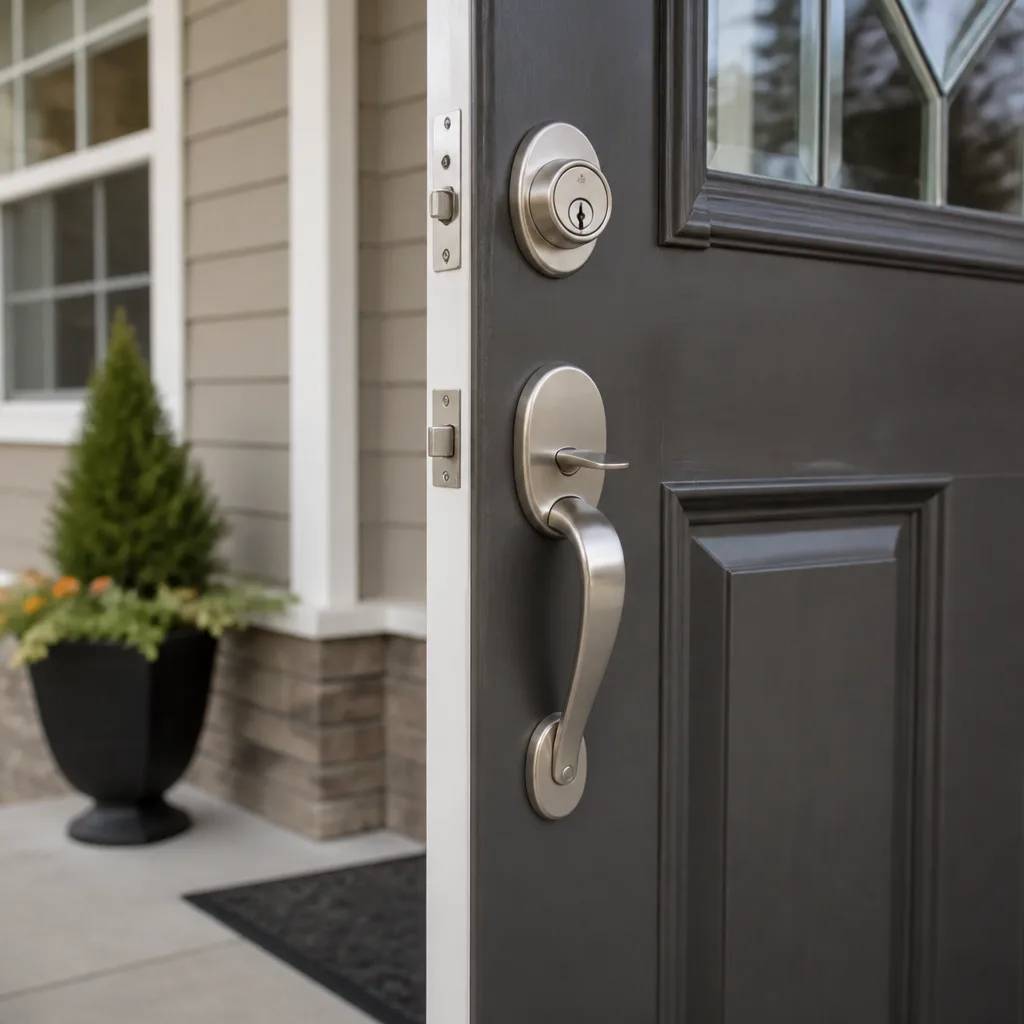 House lockouts
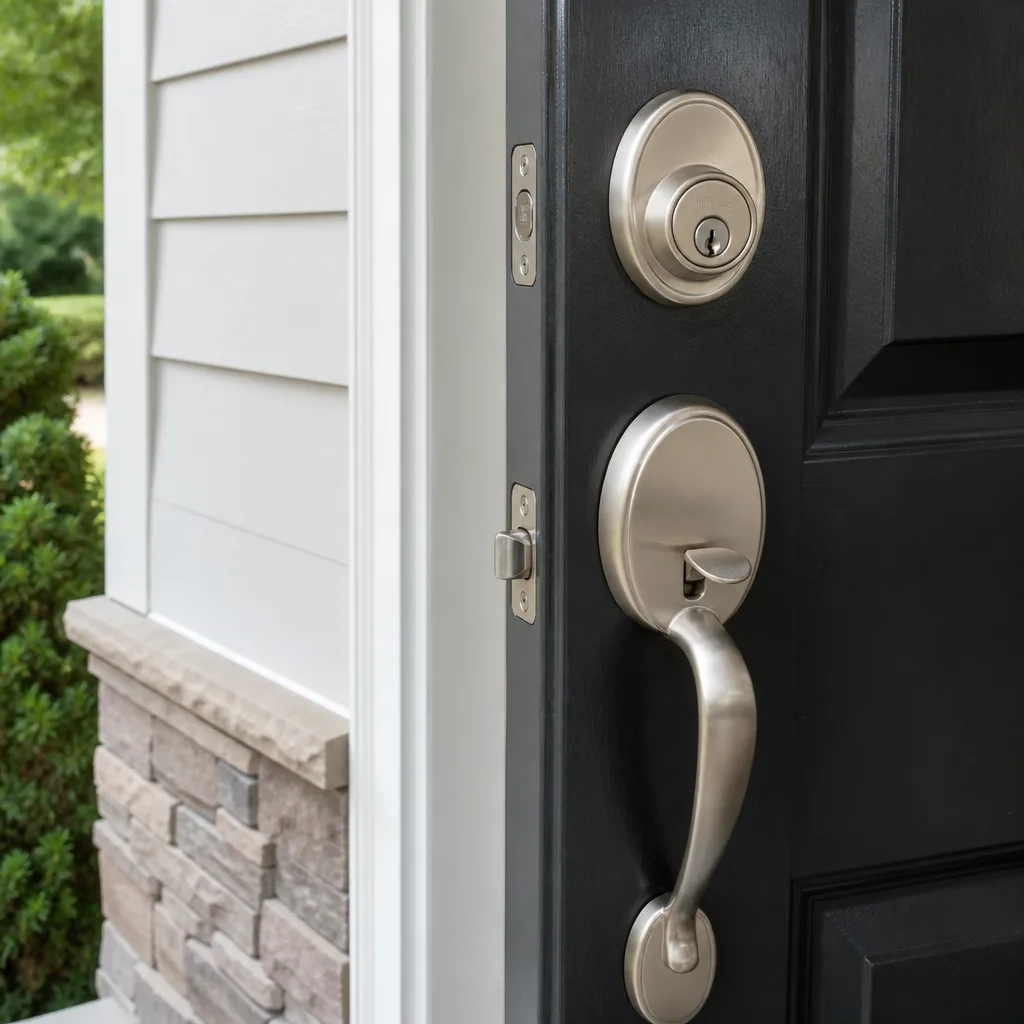 Re-keying
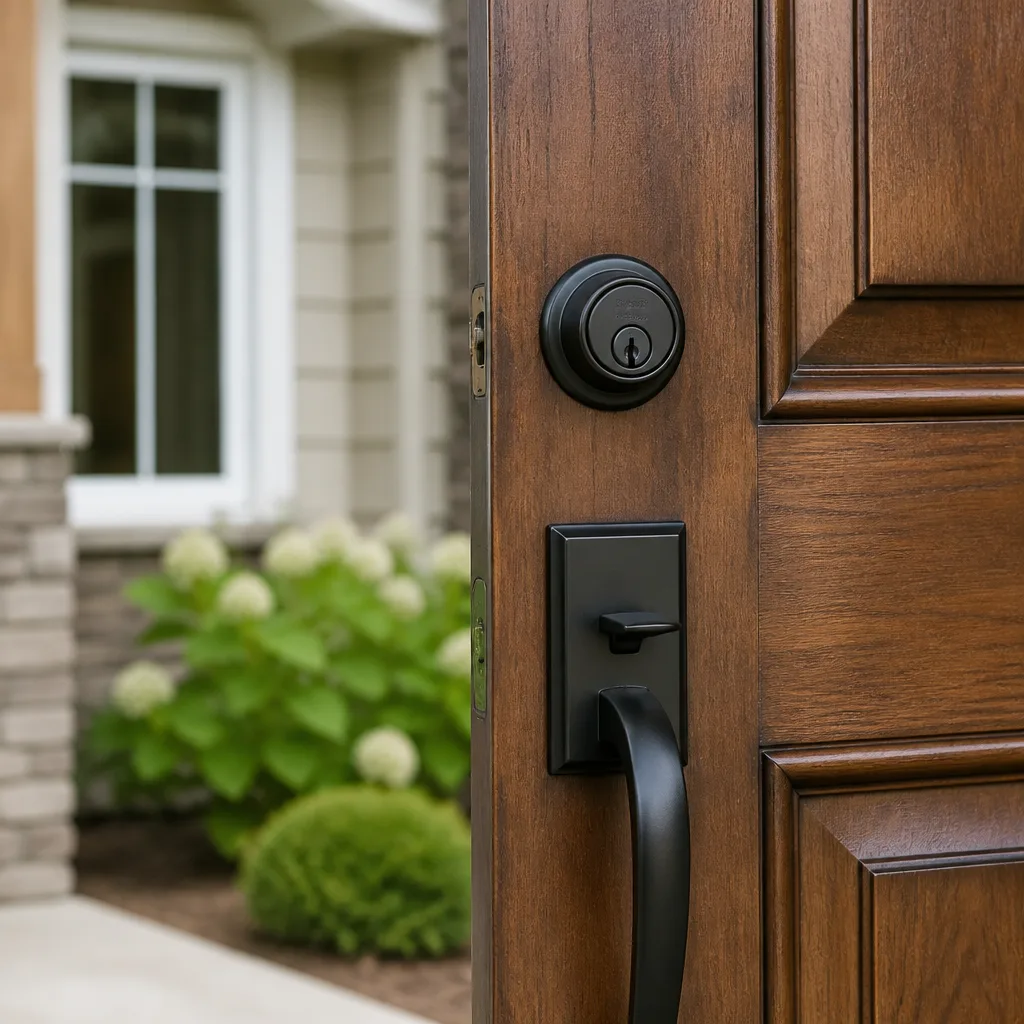 Deadbolt upgrades
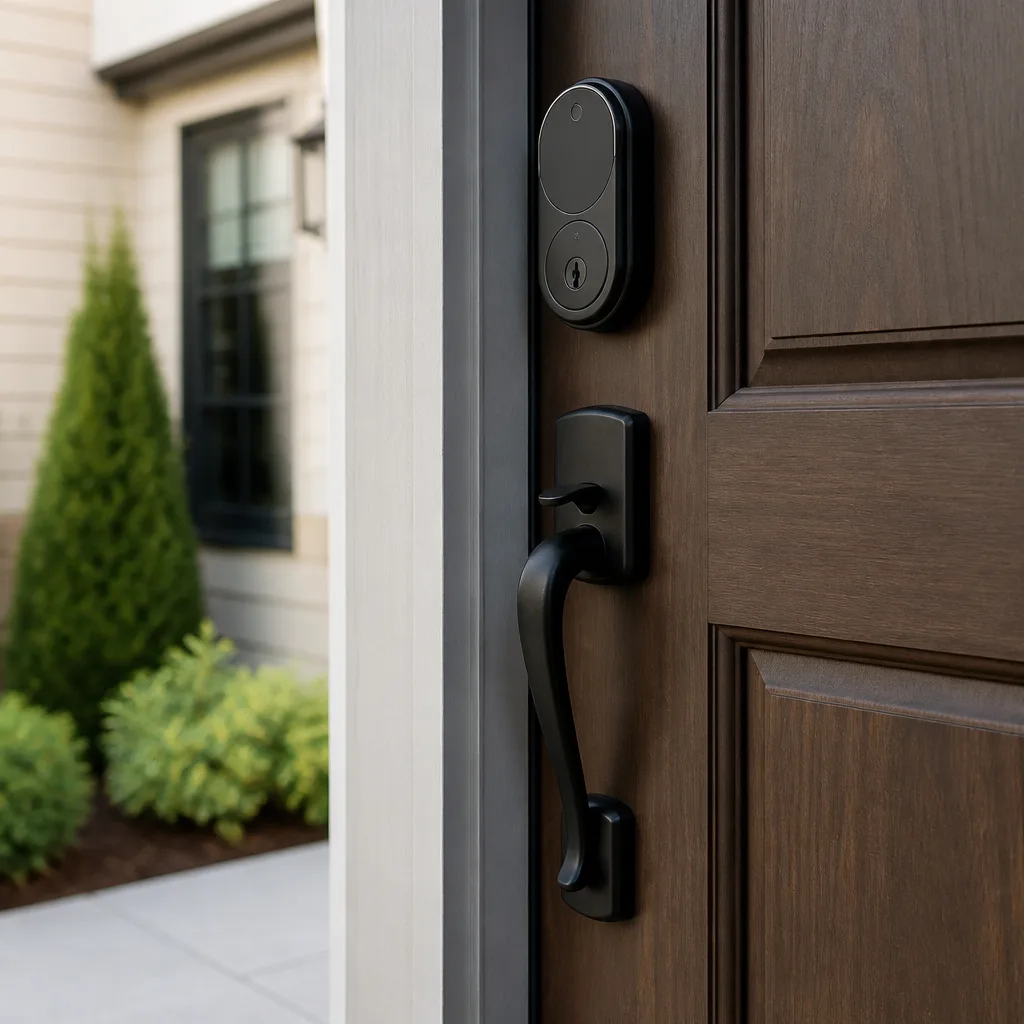 Smart locks
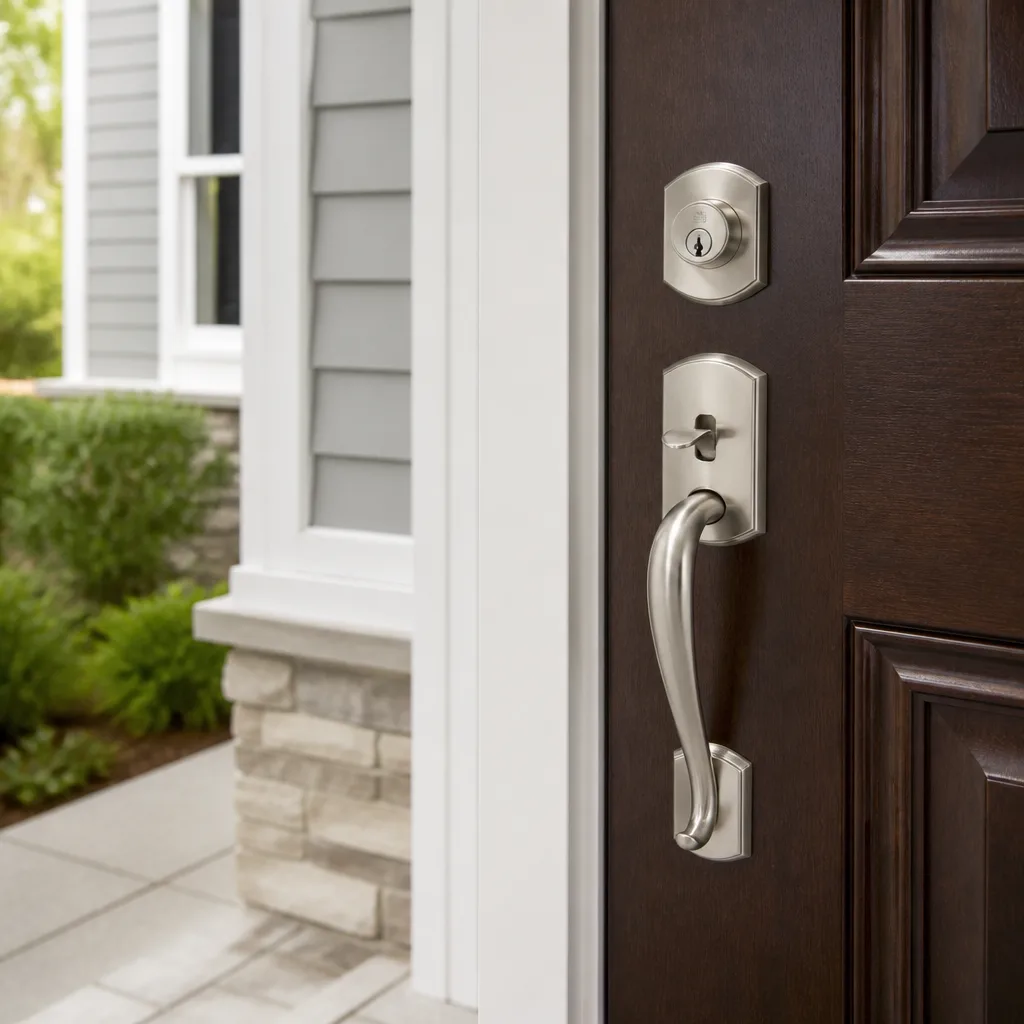 Schlage
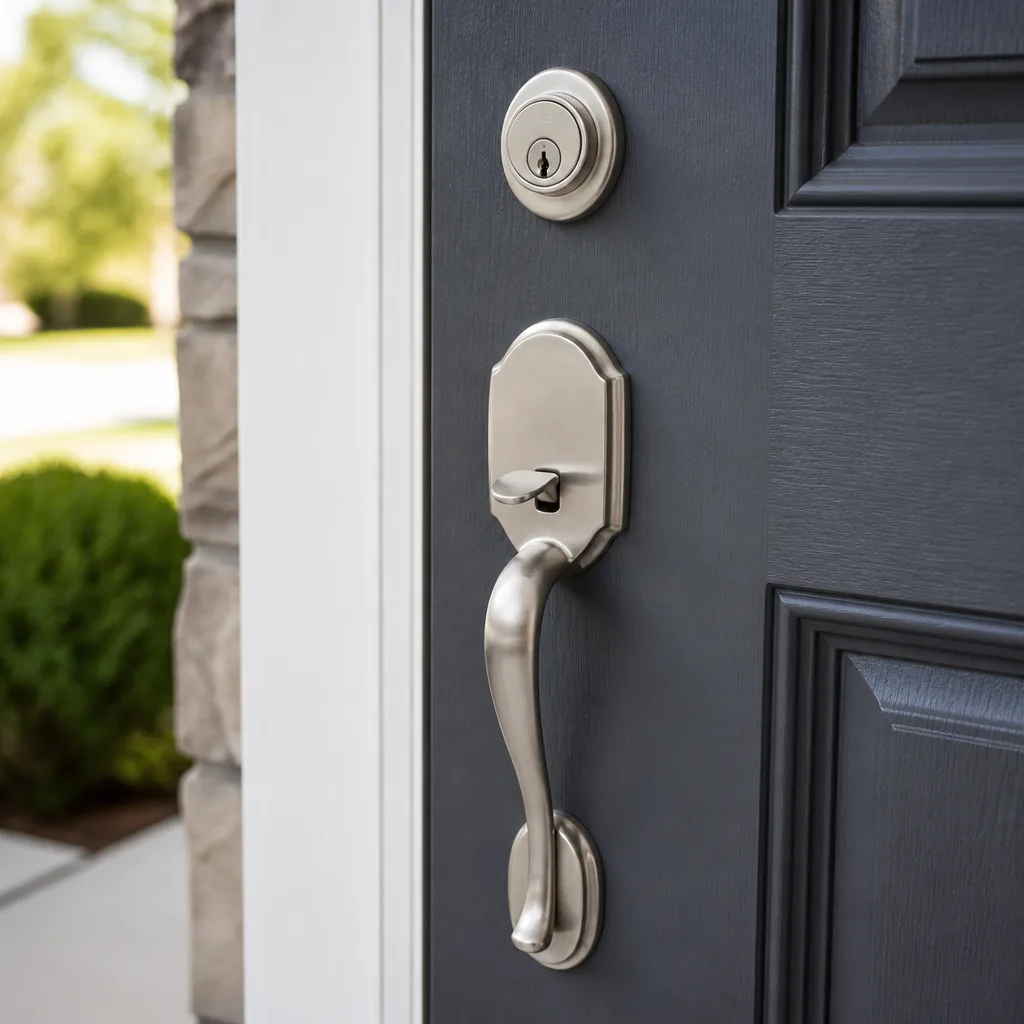 Kwikset
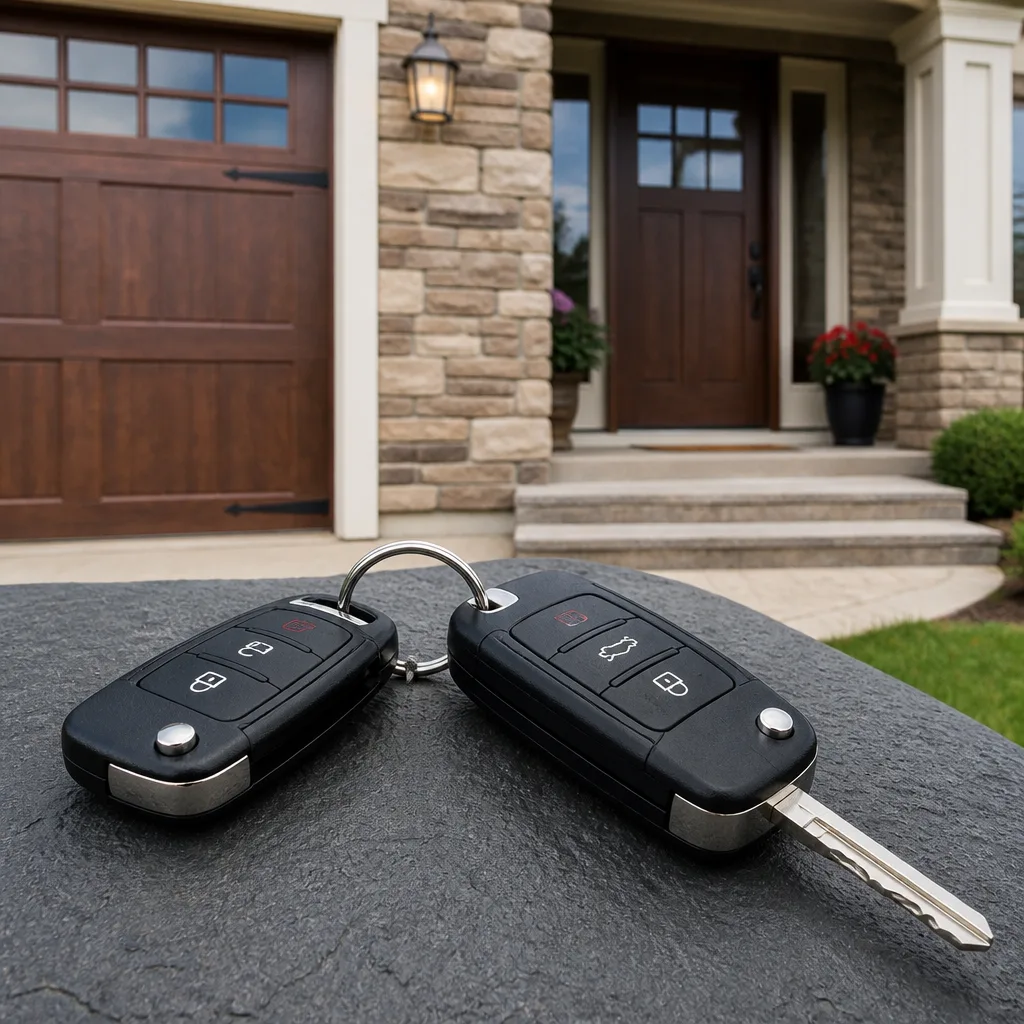 Car keys & fobs
Non-destructive entry first, always - and we re-key Schlage, Kwikset, and Baldwin locks on the spot while you watch
You get a price before we start. It does not change when we arrive. No surprises.
Get your free estimateCar Key Replacement Maintenance Checklist for Chicago Homeowners
A worn car key is a countdown timer. In Chicago, the clock runs faster than almost anywhere else in the country. The combination of road salt tracked into your vehicle, freeze-thaw cycles that expand and contract metal components, and the general grit of city driving means your key blade and ignition cylinder are degrading on a schedule you can predict. The replacement itself is routine: a locksmith cuts and programs a new key for Car Key Replacement, often for less than a dealership quotes. The expensive part is the damage you didn’t catch early. This guide walks through what to check, when to check it, and how to keep a $150 key problem from becoming a $1,000-plus ignition repair.
Styles & brands we work with
Quick Answer
A car key maintenance checklist for Chicago drivers comes down to four seasonal checks: inspect the key blade for wear and salt residue each spring and fall, test both fobs and the physical key every month, have duplicate keys cut before the original shows visible wear, and replace any key that’s bent, wobbling in the ignition, or taking more than a gentle turn to start the engine. Chicago’s freeze-thaw cycle and road salt accelerate key and ignition cylinder wear, so drivers here should replace or duplicate keys roughly every three to five years even if the key still works. The problem isn’t that keys wear out; it’s that Chicago wears them out faster than most drivers expect.
Table of Contents
- Why Chicago Is Harder on Car Keys Than Almost Anywhere Else
- The Seasonal Inspection Checklist for Your Key, Fob, and Ignition
- The Duct Tape Fix: What a Worn Key Does to Your Ignition Cylinder
- Key Duplication vs. Key Cutting vs. Transponder Programming: Know the Difference Before You Pay
- When a Locksmith Can Save You Money vs. When You Have No Choice but the Dealer
- Storing a Spare Key in Chicago Without Destroying Its Electronics
- Why the Brand of Your Key Matters: Notes on Modern Transponder Systems
- Common Mistakes to Avoid
- When to Call a Professional
- Frequently Asked Questions
- The Bottom Line
Why Chicago Is Harder on Car Keys Than Almost Anywhere Else
The biggest variable in car key lifespan is not the brand of the key or even how often you drive. It’s the environment the key lives in. And Chicago’s environment is uniquely punishing for three reasons.
Road salt. Chicago roads see an average of 275,000 tons of rock salt per winter, and a fair amount of it ends up on your boots, your floor mats, and eventually your hands and pockets. Salt crystals are abrasive. They work their way into the cuts of a key blade, into the buttons of a fob, and into the tumblers of the ignition cylinder. Over time, salt acts like sandpaper on brass and nickel. A key blade that leaves the factory with crisp, square cuts will show measurable wear after two or three Chicago winters. The wafer tumblers inside the ignition cylinder wear to match, which is actually the start of the bigger problem: the cylinder may eventually only turn for your worn key, not for a fresh-cut duplicate.
Freeze-thaw cycling. Chicago winters are not consistently cold. A January week can swing from minus 10 to 45 degrees and back. Metal expands when warm and contracts when cold. Your ignition cylinder, key blade, and door lock components are all doing that cycling dozens of times per winter. The result is microscopic loosening in the tolerances that an ignition system depends on. A key that turns smoothly in October may feel sloppy in March. Drivers who park outdoors in neighborhoods like Logan Square, Albany Park, or Portage Park see the effect faster than garage parkers in Lincoln Park or the Gold Coast.
Humidity fluctuations. Summer humidity in Chicago is high; winter indoor heating drops moisture to near zero. Key fobs contain circuit boards and button membranes that degrade faster with moisture swings. A fob stored in a pocket that goes from a 95-degree humid July day into a 68-degree air-conditioned car creates condensation inside the fob shell. Over years, that condensation corrodes battery contacts and button pads. If your fob buttons need a harder press than they used to, that’s not you getting weaker. That’s corrosion.
The takeaway: a car key in Chicago has a realistic service life of about three to five years before visible wear or reduced function starts. In Phoenix or Dallas, the same key might last eight or ten. This isn’t a quality problem. It’s a climate problem.
The Seasonal Inspection Checklist for Your Key, Fob, and Ignition
The most effective maintenance habit we can recommend is a ten-minute inspection each spring and fall. Spring catches salt damage from the winter. Fall prepares the key for the freeze-thaw season ahead. Both are simple; neither requires tools.
Spring Inspection (April)
- Clean the blade with isopropyl alcohol. Dampen a cloth, not the key directly. Wipe both sides of the blade and the grooves. If the cloth comes away gray or white, that’s salt and metal dust eroding your key. A clean blade puts less grit into the ignition cylinder.
- Check the blade cuts under light. Hold the key under a bright lamp. The cuts should look sharp-edged and uniform. If they look smoothed, rounded, or you can see a visible valley worn into the first or second cut, the key is worn past the point of reliable duplication.
- Test both keys you own. Every driver should have at least two working keys. Insert each in the ignition, turn to the accessory position, and check for wobble, resistance, or that subtle feeling of needing to lift or angle the key to get it to turn. A good ignition accepts the key straight in with no angle adjustment.
- Replace fob batteries. Even if the fob still works, a fresh CR2032 or CR2025 battery each spring costs under five dollars and eliminates the most common cause of intermittent remote failure. Chicago’s freeze-thaw cycles are hard on battery chemistry.
Fall Inspection (October)
- Inspect fob button response. Lock and unlock the car from ten feet away. Then from twenty. If range has dropped, the issue may be battery, antenna, or internal corrosion. A fob that works only up close is a fob that will fail at the worst possible moment: a Chicago cold snap.
- Check the physical key blade for bending. A key that’s been used to open ice-covered locks or pressed into a frozen door cylinder can develop a slight bow. Lay the key flat on a table. If it rocks, it’s bent. A bent key is a broken key waiting to happen, usually inside the lock cylinder.
- Test the ignition in cold air. On a cold morning, insert the key and turn slowly. Cold metal contracts, and an ignition with marginal tumblers will show resistance only when cold. If the key needs force when the temperature is below 25 degrees, address it before January.
- Make sure the spare actually exists. In our experience, about half of Chicago drivers who tell us they have a spare key haven’t seen it in over a year. Now is the time to locate it or cut a new one, before a winter lockout.
A note on frequency: if you park on the street year-round in neighborhoods like Bridgeport, Pilsen, or Rogers Park, your key and locks are exposed to more salt and moisture. Consider checking every three months rather than every six.
The Duct Tape Fix: What a Worn Key Does to Your Ignition Cylinder
Here’s the paragraph that saves people a thousand dollars. When a key wears down, the ignition cylinder’s internal wafers wear down with it. The two surfaces are filing each other smooth. You won’t notice because the key still works; it’s a matched set, both degraded at the same rate. The problem arrives when you wait long enough and then have a fresh key cut from the worn original.
The fresh key has sharp cuts. The ignition cylinder has worn, rounded wafers. The new key either won’t turn at all or turns with dangerous resistance. Now you have a car that starts only with the old, worn key, and each turn of that worn key is shaving more metal off the cylinder. Eventually the cylinder jams, or the key snaps, or the ignition locks permanently. The repair at that point is a new ignition cylinder, and on many modern vehicles that means removing the steering column cover, dealing with the immobilizer, and potentially reprogramming the vehicle’s computer. Chicago dealerships and independent shops commonly quote $800 to $1,200 for that job.
The cheap version of the same story: catch the key wear early, cut a fresh key from the vehicle’s key code (not from the worn original), and replace the key before the cylinder becomes key-specific. For step-by-step help, see our Car Key Replacement Troubleshooting: Common Problems and How to Fix Them. A transponder key replacement at a qualified locksmith in Chicago typically runs substantially less than a dealership quote for the same job. The key is the early warning. Listen to it.
Key Duplication vs. Key Cutting vs. Transponder Programming: Know the Difference Before You Pay
These three terms get used interchangeably in a way that costs drivers real money. They are different processes, require different equipment, and carry different price tags. Here’s the plain-English breakdown.
Key duplication is tracing an existing key. The machine reads the physical outline of your current blade and cuts a copy to match. This is the cheapest service and the fastest; a basic duplication takes under two minutes. The catch is that duplication copies whatever wear exists on the original. If the original is worn, the duplicate is worn, and it will not work in a healthy ignition. Duplication is fine for a key that’s still in good shape and used only as a backup. It is the wrong choice for a key that’s already showing visible wear.
Key cutting from code is different. Many vehicles, especially Fords, Toyotas, Hondas, and GMs from the last twenty years, have a key code on file from the manufacturer. A locksmith with the right software can look up that code and cut a brand-new key to factory specifications, not to the worn profile of your existing blade. This is the correct way to make a replacement for a worn key because the new key will have crisp, original cuts that match the original factory ignition.
Transponder programming is separate from physical cutting. Modern keys contain a small RFID chip that sends a code to the car’s immobilizer. The car will not start unless it recognizes that code. Programming means registering the new chip with the vehicle’s onboard computer. This requires diagnostic equipment, not just a key machine. Some vehicles allow onboard programming if you have two working keys; most do not. A locksmith with automotive programming tools can handle this in a service call in Chicago. A dealership can too, but typically at a higher labor rate and longer wait.
Confusing these services means paying for a cut that doesn’t start the car, or paying dealership prices for a duplication that should have been a ten-dollar job. Know which service your situation actually calls for before you call anyone. If you’re not sure, Car Key Replacement in Chicago services will diagnose the key type quickly rather than guessing.
When a Locksmith Can Save You Money vs. When You Have No Choice but the Dealer
The honest truth, from someone who does this work daily: a qualified automotive locksmith can replace about 85 percent of car keys on the road today for less than the dealership, and often at your location rather than requiring a tow. The exceptions are real, though, and you should know them before you’re stranded.
Where the locksmith wins
- Lost all keys. A locksmith comes to the vehicle, cuts a new key from the key code or by decoding the lock, and programs it on-site. No tow truck, no dealership service bay, no waiting for a parts department.
- Worn key replacement. A locksmith cutting from code produces a factory-fresh key, and can program it on the spot. This is the single most cost-effective maintenance move a Chicago driver can make.
- Spare key creation. If the original still works, a locksmith can duplicate and program a spare in one visit. Always have a spare before the original dies.
- Fob battery and shell replacement. If the key blade is fine but the fob case is cracked or the buttons are failing, a locksmith can swap the electronics into a new shell without touching the vehicle.
Where the dealer holds the cards
- Brand-new models with rolling-code encryption. Some 2023-and-newer vehicles use encryption protocols that only the manufacturer’s own diagnostic platform can access. If a locksmith tells you a particular model year needs the dealer, believe them; they’d rather not lose the job.
- Prox keys with keyless entry systems tied to a connected-car app. A few manufacturers, particularly some European brands, tie the key’s digital identity to the owner’s connected account. Independent programming tooling may be unavailable for those platforms.
- Keys ordered by VIN from brands with restricted key codes. Some manufacturers – typically higher-end European lines – restrict key codes to their own dealer network. No locksmith can access the code; the key exists only in the dealer’s parts system.
The useful heuristic: for any vehicle older than five or six years, a locksmith is almost always the cheaper and faster option. For very new vehicles, ask the locksmith upfront whether they can handle the specific year and model. A good shop tells you before you pay anything.
The same credibility applies to the other side of Valor Locksmith home work: when someone has the right equipment for automotive keys, they usually have the foundation for residential and commercial lock work as well. The tooling overlaps.
Storing a Spare Key in Chicago Without Destroying Its Electronics
The classic advice is to keep a spare key hidden outside your car. That is also the worst advice for a Chicago winter. Magnetic boxes under the bumper fill with salt spray. Keys buried in a wheel well bake in summer heat and freeze in February, and the extreme temperature swings destroy the transponder chip’s solder joints faster than normal use ever would. Here’s what actually works in Chicago’s climate.
For a non-electronic key (a plain metal key for an older car, or a valet key that opens the door but doesn’t start the car): a magnetic box works if you choose the location carefully. Mount it high under the vehicle, away from direct wheel spray, and check it once a month for corrosion. Better: don’t keep it on the car at all. Given how quickly Chicago street parking turns any metal object into salt-encrusted rust, a spare key kept in a jacket pocket or with a family member is more reliable than any under-car hiding spot.
For a transponder key or fob: do not store it outside. The chip inside needs to survive a thermal range that Chicago will exceed within twelve months. A spare fob stored in an unheated garage in Avondale or Jefferson Park will see temperatures from minus-10 to over 100 degrees over the course of a year. Electronics tolerate that for a while, but the solder joints fatigue and the battery leaks. Store spare transponder keys inside a climate-controlled space: a drawer, a lockbox, or a small Faraday-style pouch on a shelf. Yes, that means the spare is less conveniently located. That’s the trade. A working spare in your house is worth more than a dead spare under your car.
For a valet key: keep it in your wallet or purse, not in the glovebox. The valet key is your lockout insurance, and its whole purpose is defeated if it’s locked inside the vehicle with the main key.
The principle that applies everywhere in Chicago is the same one that governs residential and commercial locks: moisture and temperature swings are the enemy. If you’re storing a spare key the same way you’d store it in Miami or San Diego, you’re doing it wrong. The same logic applies to Rekey Locks in Chicago decisions after a lost key; climate stress works on every metal component in the security chain.
Why the Brand of Your Key Matters: Notes on Modern Transponder Systems
Not all transponder keys are the same, and the differences matter when it comes to cost, programming difficulty, and whether your key can be duplicated at all. Chicago drivers run everything from early-2000s Fords to current-model luxury vehicles, and the spread means no single answer fits every situation.
At the accessible end, a basic transponder key from a volume manufacturer is a commodity item. Any locksmith with automotive programming tools can cut and program one. These keys are the most common on the road, and replacement is quick and affordable. At the high-security end, the picture changes. This is where brand names like Mul-T-Lock and Abloy enter the conversation, because they bring the same design philosophy they use in their high-security lock cylinders to automotive applications: restricted key profiles, embedded chips, and anti-cloning safeguards built into the key design. For advice on selecting a provider, read our Choosing the Right Locksmith Brand: A Buyer’s Guide for Chicago. A key from these platforms is not something a hardware store or a corner kiosk can replicate. The profile is controlled, and the chip technology requires specific programming protocols.
For residential and commercial hardware, the same range exists. Baldwin and Sargent locks, for instance, sit at different points on the spectrum from consumer-grade to institutional-grade security. Baldwin hardware is beautiful and well-built; Sargent hardware is built for high-cycle commercial use. Neither is interchangeable with the other, and both require a locksmith who actually stocks the pinned cylinders and cuts the profiles rather than special-ordering parts and hoping.
The takeaway for car key maintenance is this: before you buy a blank key online or assume a kiosk can handle it, identify what you actually have. If the key’s plastic head carries a name you don’t see at the auto parts store, it’s probably a restricted or semi-restricted profile. A locksmith who works across the full range, from basic consumer transponders to the restricted profiles used by Mul-T-Lock and similar platforms, will tell you honestly whether your key is a same-day job or a special-order situation. Most are same-day. A few are not. Knowing which one you have is worth a phone call.
Common Mistakes to Avoid
- Waiting until the key breaks to replace it. A key that’s developing a crack at the head, a bend in the blade, or visible wear in the cuts is telling you something. Replacing it before it breaks is a $150 to $250 job. Replacing it after it breaks, inside the ignition or door cylinder, can add a cylinder extraction and potential cylinder replacement to the bill. In Chicago winters, a cold-stiffened key is more likely to snap than a warm one.
- Having a worn key duplicated instead of cut from code. Duplicating a worn key copies the wear. The duplicate will not work in a healthy cylinder, and may damage the cylinder it’s forced into. When the original shows visible wear, ask specifically for key cutting from the vehicle’s code, not tracing.
- Storing the spare fob outside the vehicle year-round. Chicago’s thermal swing from winter lows to summer highs kills fob electronics faster than any other single factor. A spare fob stored in a wheel well or magnetic box will likely be dead when you finally need it.
- Ignoring a fob that needs progressively harder button presses. That’s not a quirk. That’s internal corrosion or a failing button membrane, and it will fail completely at some point, usually when you least want to be standing outside the car. Replace the fob shell or the battery before it dies.
- Assuming every new-car key must come from the dealer. Most keys for vehicles older than about five years can be cut and programmed by a properly equipped locksmith, often at your location, for less than a dealer quote. Call and ask before you pay dealer labor rates.
- Running only one key for the vehicle. A single key is a future emergency with a date on it. The minute that key is lost or breaks, the vehicle is stranded. A spare transponder key is cheap compared to an emergency replacement and a tow.
When to Call a Professional
Some parts of this checklist are DIY. Cleaning a key blade, swapping a fob battery, and testing both keys take a few minutes and no special tools. But there are lines where professional help saves money rather than costing it. Call a locksmith when the key shows visible wear and you need a replacement cut from code, not traced from the old one. Call when a key has already broken inside a lock or ignition; fishing out a broken key without damaging the cylinder is not a job for needle-nose pliers. Call when the fob needs programming and you don’t have two working keys, because self-programming is impossible for most vehicles in that situation. And call when you’ve lost all keys and need a replacement at the vehicle’s location, not towed across Chicago to a dealer. Valor Locksmith offers free estimates in Chicago at (877) 870-5926, and a phone call is the fastest way to find out whether your key is a same-day cut-and-program or a special-order situation.
For lockouts that happen at the worst possible time, Emergency Locksmith in Chicago service is built around exactly that scenario: vehicle, residential, and commercial lockouts handled on-site, fast, and done right the first time.
Frequently Asked Questions
Car key replacement in Chicago typically costs between $150 and $400 for a transponder key cut and programmed by a locksmith, depending on the vehicle’s year, make, and key type. Basic non-chip keys run less; smart keys and prox fobs for newer vehicles run more. A dealership will generally quote higher for the same key due to parts markup and labor rates.
Yes, for most vehicles, a locksmith can use the VIN to retrieve the key code and cut a new key without an existing original to trace. The process requires proof of ownership documentation, usually a title or registration and a photo ID. Not all vehicles have VIN-retrievable key codes, but the majority of domestic and Asian makes do. Call (877) 870-5926 to confirm your exact vehicle.
Look at the key blade under bright light. If the cuts are visibly rounded or smoothed compared to a newer key, or if the key wobbles in the ignition and needs to be lifted or tilted to turn, it’s too worn to duplicate by tracing. At that point, the correct move is cutting from the vehicle’s key code, not copying the worn profile.
If your vehicle has a transponder chip in the key, yes, the spare must be programmed to the car’s immobilizer before it will start the engine. A plain metal key with no chip will turn the cylinder but the car will not start if an immobilizer is present. Programming requires diagnostic equipment; some vehicles support DIY programming with two working keys, but most require a professional tool.
No. Magnetic boxes under the vehicle expose the fob to road salt, moisture, and extreme temperature swings that damage the internal electronics. Chicago winters push a fob through freeze-thaw cycles that crack solder joints and corrode battery contacts. Store a spare transponder key indoors in a climate-controlled space.
Our service range covers eight professional and consumer lock brands, from accessible lines like Kwikset and Schlage to high-security platforms like Medeco, Mul-T-Lock, and Abloy that demand specialized training and tooling. That range matters because the same restricted-profile technology that secures a commercial door also shows up in automotive keys, and fewer shops are equipped to handle both. For car key specifics, Car Key Replacement in Chicago is the service to call for an exact quote.
The Bottom Line
Car key maintenance in Chicago is not complicated. For more guides & resources, visit our blog. Check your keys twice a year. Replace fob batteries annually. Cut a fresh key from the vehicle’s code when the original shows wear, not when it breaks. Store the spare inside a climate-controlled space. Know what kind of key you have before you pay for a replacement, and know when a locksmith can do the work for less than a dealer. The drivers who follow these habits almost never get stranded; they replace keys on their schedule instead of a Chicago winter’s. The entire checklist takes twenty minutes a year. The alternative is a $1,000 ignition cylinder replacement and a tow. The math is not close.
Written by the team at Valor Locksmith, serving Chicago since 2013.